If your perfect weekend pairs a matinee with mountain views, Williamstown belongs on your short list. You get world-class arts, a walkable New England village, and easy access to quiet trails and scenic drives. If you are weighing a second home here, you likely want the inside track on where to live, when to visit, and what ownership really looks like through the seasons. This guide gives you a clear picture so you can buy with confidence. Let’s dive in.
Why arts lovers choose Williamstown
Williams College sets the cultural tone with public lectures, concerts, performances, and exhibitions throughout the academic year. You will find gallery openings and events across campus, including the Williams College Museum of Art and other campus venues that help keep the calendar active beyond summer. The college presence also shapes rental availability and activity near campus neighborhoods.
The Clark Art Institute draws visitors year-round with major exhibitions, educational programs, and expansive grounds and trails. When special shows are on view, weekend visitor traffic typically increases, which can affect dining reservations and lodging.
The Williamstown Theatre Festival energizes the summer season with performances and visiting artists. Many second-home owners time longer stays around its run. Nearby regional anchors like MassMoCA in North Adams, Jacob’s Pillow in Becket, and Tanglewood in Lenox extend your arts options across the Berkshires within easy day-trip range.
Seasons and when to visit or shop
Spring brings the end of the college term, spring concerts, and museum openings. Sellers often target the spring market, so you tend to see more listings. If you prefer quieter weekends with active cultural life, late spring can be an excellent time to tour homes.
Summer is peak arts season. The theatre festival, special programming at the Clark, and outdoor events create the busiest months for visitors. Expect the strongest demand for short-term rentals and for desirable, walkable homes. Many second-home owners spend extended time here during this period.
Fall is prime for foliage and continued campus and museum events. Weekends remain popular, and second-home activity stays strong. If you want to enjoy the arts and hiking with slightly lighter crowds than midsummer, September and October are ideal.
Winter is the quietest for tourism, though nearby ski areas keep the region active. It can be a strategic time to tour properties, especially if you want to see how access, snow removal, and road conditions affect rural homes. Plan extra travel time in snow and ice.
Getting there and around
From Boston, the drive is roughly 2.5 to 3.5 hours via the Mass Pike, depending on traffic and your start point. From New York City, plan for roughly 3.5 to 5 hours by car depending on route and conditions. Holiday and summer weekends can add time on either route.
Albany International Airport is commonly the closest major commercial airport and is generally under an hour away by car. This option works well if you split time between the city and your Williamstown home.
There has been seasonal weekend rail service from New York City to the Berkshires via the Berkshire Flyer, which has run in the summer and terminates in Pittsfield. Service is limited and seasonal, so always confirm current schedules in the year you plan to travel.
In town, the village core is walkable, with restaurants and many arts venues near Main Street, Spring Street, and the campus. Outside the core, most homes are car-dependent, and rural roads can be narrow and winding. In winter, snow and ice can extend your time-to-weekend and may affect property access on smaller roads.
Where to buy: walkable or private
Choosing between in-town convenience and countryside privacy is the biggest fork in the road for arts-focused buyers. Both options work beautifully; it depends on how you plan to use your home.
In-town walkability
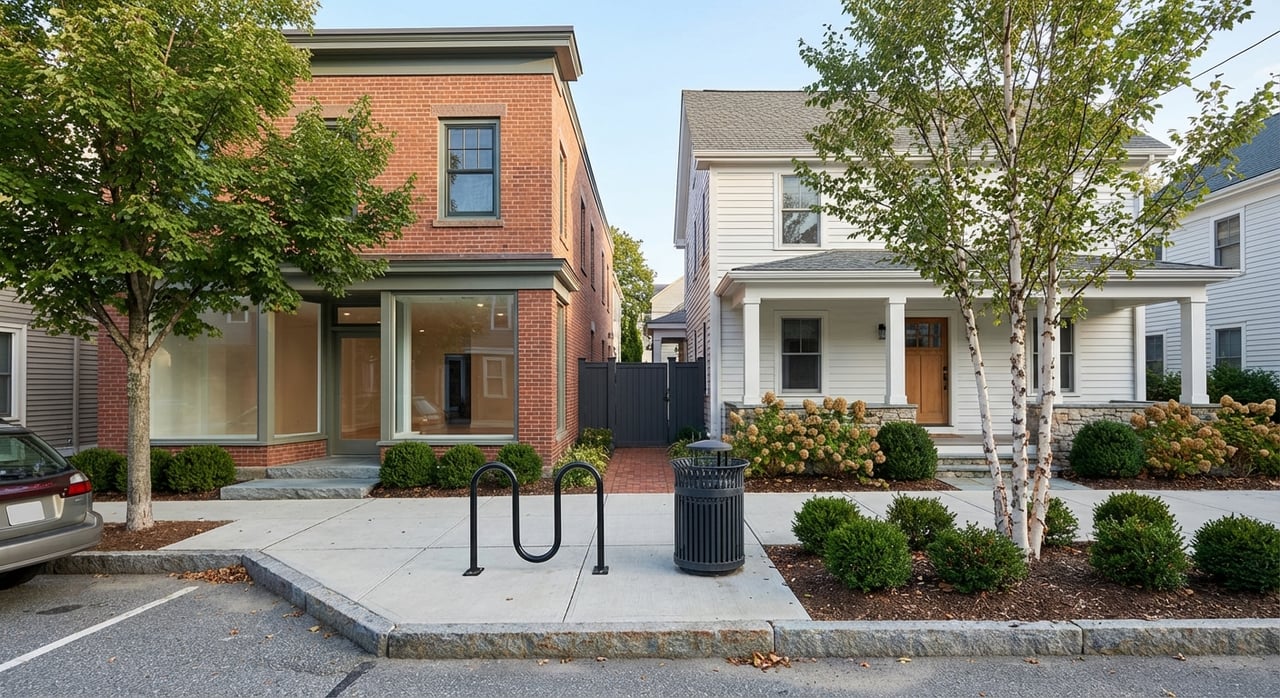
In-town and campus-adjacent neighborhoods offer small single-family homes, classic New England styles like Victorians and Colonials, duplexes, condos, and carriage-house apartments. Lots are smaller, but you gain easy access to galleries, restaurants, and campus events. If you want to pop out for an evening talk or a matinee without moving your car, this is your zone.
Edge-of-town balance
On the village outskirts you will find larger single-family homes, renovated farmhouses, and some midcentury options. Yards are bigger, and you keep a short drive to the Clark, Main Street, and campus happenings. This is a good middle ground if you entertain or need a bit more space.
Countryside privacy
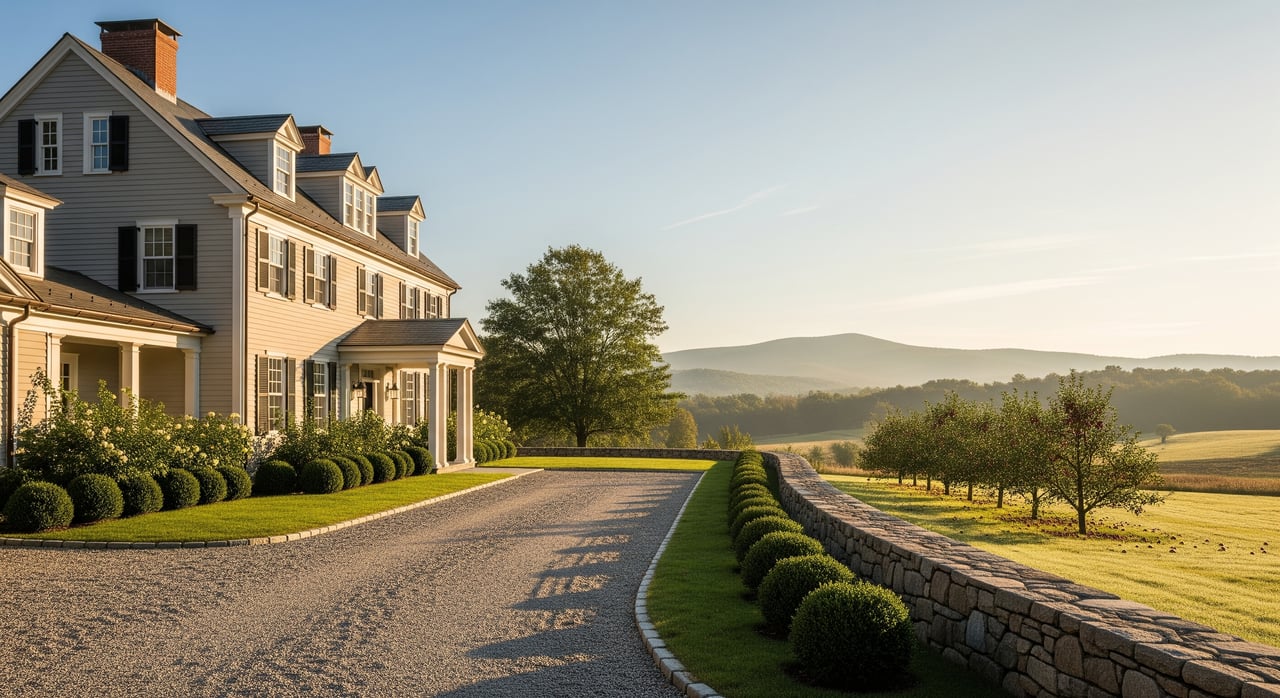
Farther out, you will see barns and barn conversions, farm properties, new and historic colonials on acreage, mountain-view homes, and rustic cabins. These homes deliver privacy, landscape, and trail access, but you trade spontaneity for planning. Winter maintenance and drive times matter more here, so consider your time-to-weekend and how often you plan to attend events.
Investment and rental play
Cottages and smaller homes near downtown or attractions are commonly used as seasonal rentals. Availability, permitting, and year-round demand vary. If rental income is part of your plan, verify current town rules and factor in management and turnover costs.
Market patterns to expect
Williamstown is a small market with limited inventory, especially for walkable homes. Listing volume typically increases in spring and summer to meet demand. Desirable in-town properties can move quickly during peak arts months.
There is usually a proximity premium. Homes closest to downtown, the Clark, or campus often command higher prices per square foot than rural parcels at similar price points. If you are open to a project, older homes and barns can offer value-add opportunities if you plan to renovate to modern standards.
Short-term rental and permitting basics
Short-term rental rules continue to evolve in Berkshires towns, and many require permits or registration. Before you rely on festival-week bookings, confirm current Williamstown requirements and any state or local occupancy taxes that may apply. If you plan limited personal use, a local property manager can help with cleaning, guest turnover, and compliance.
Ownership checklist for part-time use
Use this quick list to plan for a smooth second-home experience:
- Property management: Line up trusted help for cleaning, winterization, and vendor access when you are away.
- Winterization: Older homes may need upgrades to protect pipes and maintain heat. Note fuel type and delivery access.
- Insurance: Confirm second-home policy details and any additional coverage needs for older or remote structures.
- Access and snow: Rural driveways often need private plowing. Budget for seasonal contracts and equipment.
- Broadband and cell: Confirm internet options and speeds, especially if you work remotely or stream often.
Align your lifestyle with location
Your plans should drive your location choice. If you will make frequent short trips from Boston or New York and want to walk to events, focus in-town. If you picture long, restorative stays with hikes and views, expand your search to larger lots just outside the village or into the countryside.
Think through your calendar too. Many owners plan occupancy around summer theatre weeks, fall exhibitions, and college milestones like commencement and reunions. Aligning your stays with the arts calendar helps you get the most out of your home, whether you are attending events or offering the home as a rental at peak times.
Time-to-weekend strategy
Your travel pattern matters. Boston-based buyers often do quick weekend trips, so short drive times and walkability can be worth the premium. New York buyers may lean into extended weekends, which makes countryside properties on acreage more attractive since you will be there long enough to enjoy the privacy and space.
If you want a car-free option for part of the summer, monitor seasonal train options to Pittsfield and consider a car service or local rental for the last leg. Flights into Albany also work well if you plan monthly visits or combine work travel with home time.
How we can help
You deserve guidance that fits how you want to live, not just a list of addresses. Our team pairs local, town-level insight with a concierge approach that streamlines everything from neighborhood previews to contractor introductions. Whether you want a walkable cottage near the Clark or a restored farmhouse with mountain views, we help you compare tradeoffs, navigate permitting, and plan ownership through all four seasons.
Ready to explore Williamstown with a trusted local advisor? Schedule a consultation with Katie Soules to tailor your search to the arts calendar, your travel pattern, and the lifestyle you want.
FAQs
How long is the drive to Williamstown from NYC or Boston?
- From Boston, plan roughly 2.5 to 3.5 hours by car; from New York City, about 3.5 to 5 hours, with holiday and summer traffic adding time.
Is there a non-driving option from New York City in summer?
- There has been seasonal weekend rail service branded as the Berkshire Flyer to Pittsfield in summer months; always check current-year schedules before planning.
Can I find a home within walking distance of the Clark and campus?
- Yes, in-town and campus-adjacent neighborhoods include small single-family homes, condos, and duplexes on smaller lots that prioritize walkability.
How does the Williams College calendar affect life near campus?
- The academic year brings steady public events and visitor activity, which can influence traffic, parking, and rental demand in nearby neighborhoods.
Can I short-term rent my Williamstown home during festival weeks?
- Many owners do, but rules vary and may require permits or registration; verify current town ordinances and any state or local occupancy taxes.
What winter considerations should I plan for with a rural property?
- Budget for private plowing, confirm driveway access, and ensure your heating and winterization plans protect pipes and provide reliable heat in cold snaps.
Is broadband reliable for remote work in the countryside?
- Service varies by location; confirm available providers and speeds at the property level, since some rural parcels have limited high-speed options.