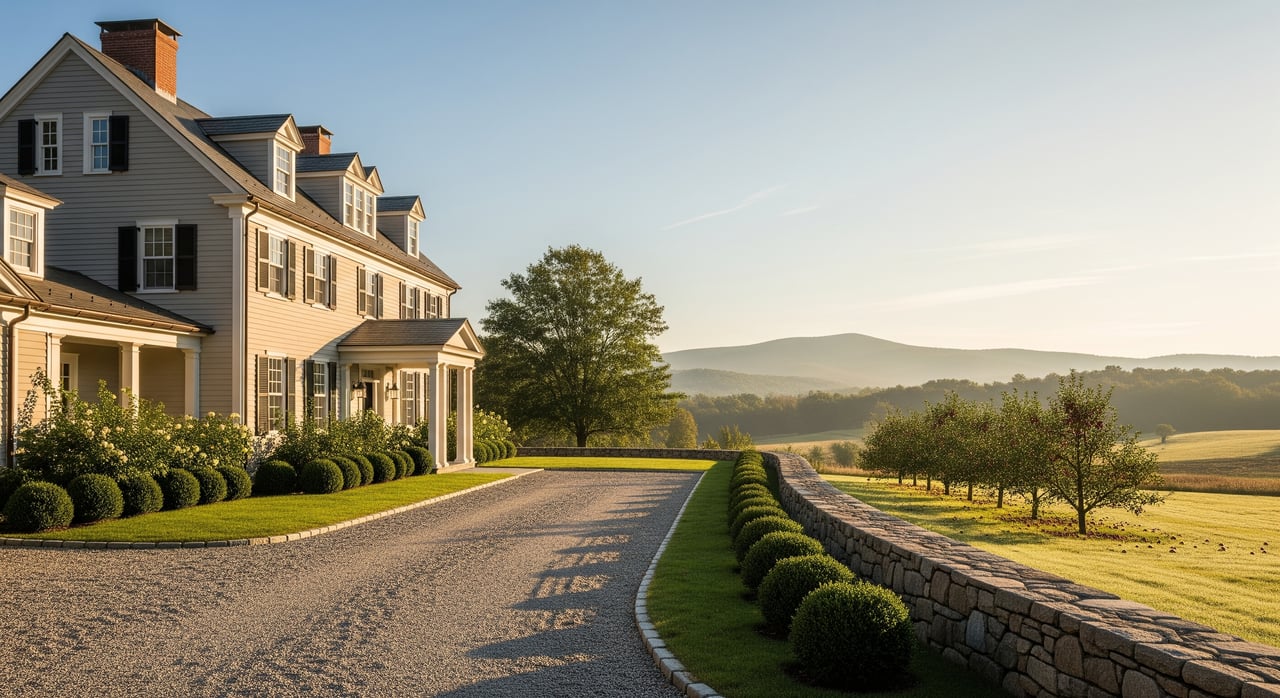
Trying to choose between West Stockbridge and Stockbridge? You’re not alone. Both offer classic Berkshire charm, but the day-to-day experience feels different when you step outside your front door. This guide breaks down lifestyle, housing, zoning and utilities, and what to look for on tours so you can match your priorities to the right town. Let’s dive in.
Quick take: two neighbors, two lifestyles
- Stockbridge: Historic village setting, walkable Main Street, cultural attractions, and a seasonal buzz that supports shops and galleries.
- West Stockbridge: Quieter, more rural character with larger lots, a small village node, and a focus on privacy and land.
- Buyer takeaway: Stockbridge’s village homes often carry a premium for walkability and historic character. West Stockbridge tends to offer more space and a lower entry point for single-family homes and land.
Lifestyle and amenities
Stockbridge: village and culture
If a walkable New England village is high on your list, Stockbridge delivers. The town centers on a classic village green with inns, galleries, restaurants, and small shops. Cultural institutions are part of daily life here, including the nationally known Norman Rockwell Museum, which adds year-round interest and seasonal vibrancy.
You’ll find short walks to coffee, dinner, and galleries from many in-village homes. The village setting also means more foot traffic, especially during peak seasons. Outdoor lovers can enjoy nearby conservation areas and gardens across the region.
West Stockbridge: rural calm with a small village
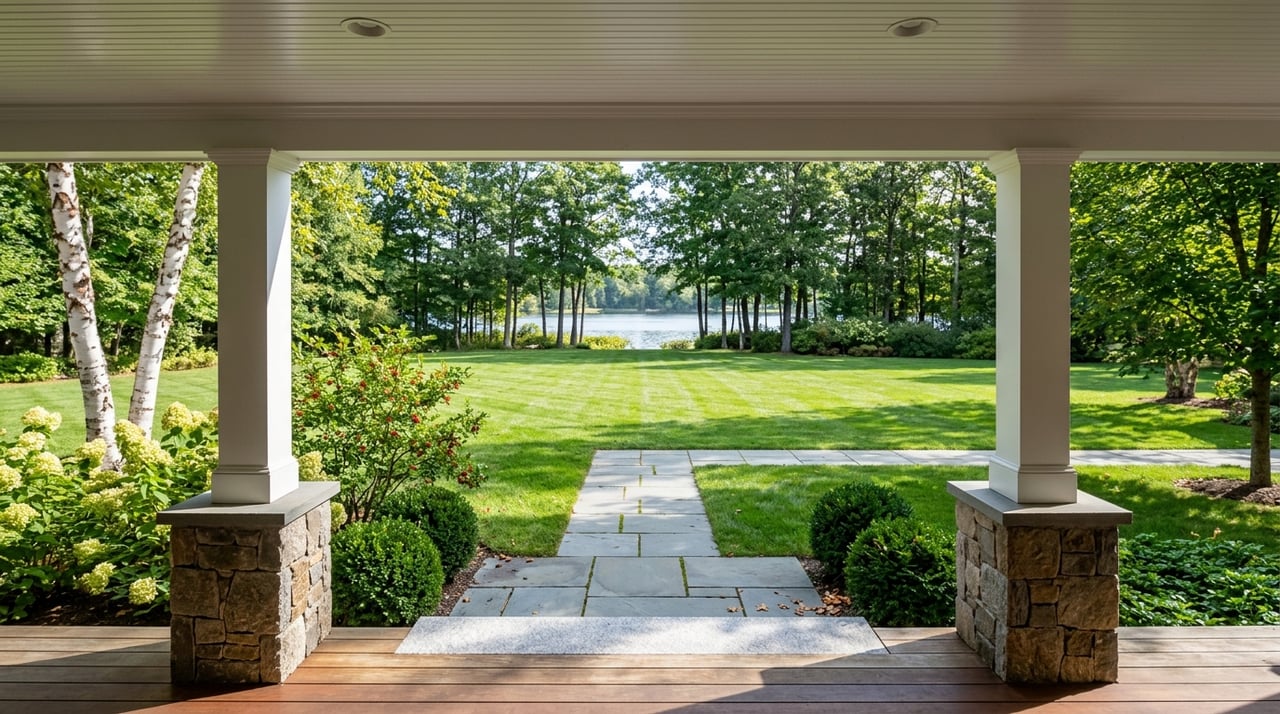
West Stockbridge has a smaller downtown area with a few local shops, services, and antiques. The pace is quieter and more resident-focused. Much of the town is rural, with farms, forested parcels, and larger lots that suit gardening, barns, or hobby farms.
Expect to rely more on your car for daily errands. In exchange, you’ll get privacy and space. You are still close to the cultural scene in Stockbridge, Lenox, and Pittsfield, usually a short drive away.
Housing and property types
Stockbridge homes: historic fabric and walkability
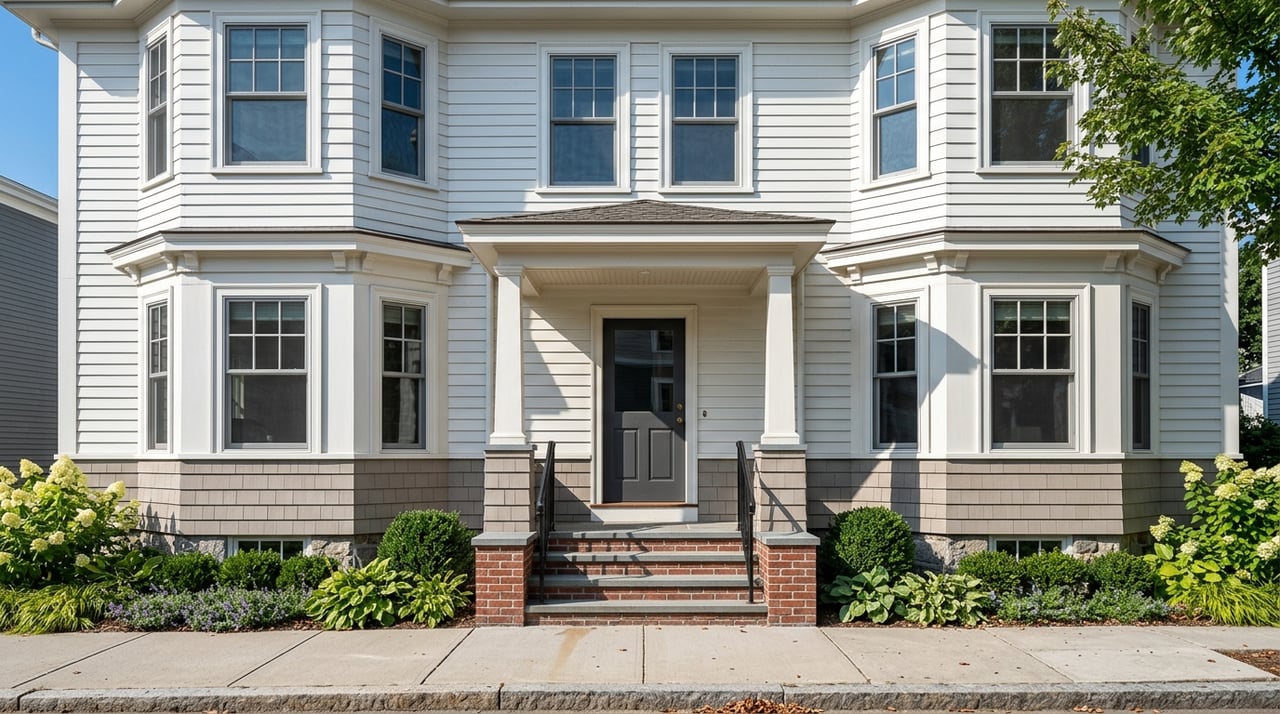
Stockbridge offers historic homes from the 18th and 19th centuries, including Colonial, Federal, and Greek Revival architecture. In and near the village, lot sizes tend to be smaller and more walkable. Beyond the center, you’ll also find larger estate parcels and some mid-20th-century homes.
With historic homes, plan for older systems and possible preservation considerations. You may see lead paint, older wiring such as knob-and-tube, original windows, and plaster walls. Renovation and maintenance can be higher in exchange for character and location.
West Stockbridge homes: land, flexibility, and variety
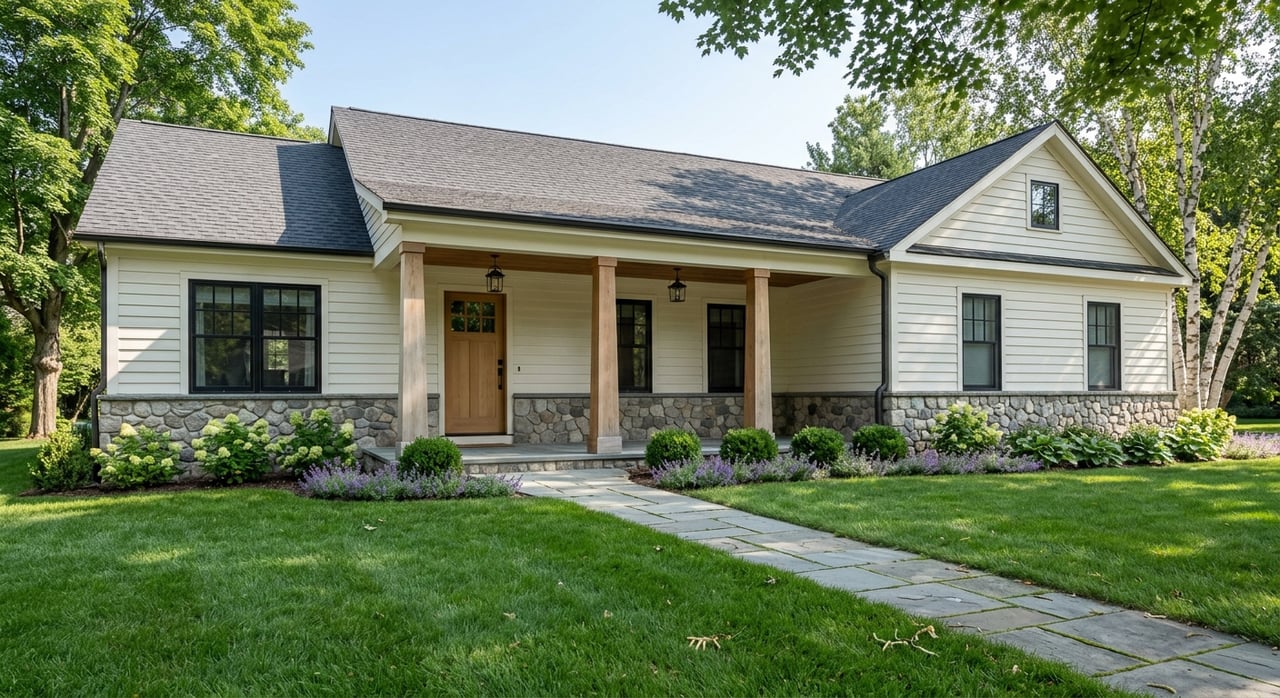
West Stockbridge features classic farmhouses and barns on larger lots, plus 20th-century ranches and cape cods. You’ll also encounter newer or modular builds on acreage, and more vacant land suitable for agricultural uses or outbuildings.
Some homes will be older and need updates, but you are also more likely to find mid-century or newer construction with fewer immediate renovation needs. Larger lots typically mean more privacy and flexibility for gardens, barns, or accessory buildings.
Market behavior and carry costs
Stockbridge village homes often command premium pricing due to walkability, history, and proximity to cultural attractions. Inventory can be limited and may turn over less frequently, which can support long-term value for buyers focused on a village lifestyle.
West Stockbridge tends to offer a lower entry point for single-family homes and more options with acreage. If you want room to spread out, you will likely see more choices here. As always, exact pricing and inventory shift with the market; consider real-time comps and on-the-ground insights.
When you compare carry costs, look beyond list price to property taxes, insurance, utilities, and snow or trash services. Towns update tax rates annually. For current tax rate and assessment data, check the Massachusetts Division of Local Services’ Municipal Databank.
Utilities, wells, septic, and internet
Many properties in both towns rely on private wells and septic systems. Village areas can still be on private systems, so confirm details for each address. Septic capacity affects future additions or accessory units, so verify permitting before you plan expansions.
Internet and cellular coverage can vary in rural areas. If you work from home, test cellular reception and confirm provider options. For flood risk or wetlands on larger lots, review FEMA’s Flood Map Service Center and the Commonwealth’s MassGIS resources, then follow up with a surveyor and the local conservation commission as needed.
Zoning and historic considerations
Stockbridge includes historic properties and may include district designations that influence exterior changes. Plan ahead if you are considering window replacements, additions, or exterior materials on a historic home.
West Stockbridge’s zoning typically supports lower-density and agricultural uses. If you want outbuildings, small-scale farm animals, or an accessory structure, check the local zoning bylaw and permitting steps. In both towns, confirm what is allowed with the planning board and building department before you make an offer.
Commute and regional access
Both towns are car-dependent. There is no rapid commuter rail, so plan drive times to employers in Pittsfield, Lee, Great Barrington, Albany, or Springfield. During winter, road conditions and plowing can affect travel on rural or private roads.
Culturally, Stockbridge residents live close to museums and galleries. In West Stockbridge, you will typically drive a short distance to the same cultural assets in Stockbridge, Lenox, and Pittsfield.
Buyer tour checklist
Use this list to compare properties during showings or open houses:
- Walkability: Can you walk to shops, restaurants, or museums in Stockbridge, or will you drive for most errands in West Stockbridge?
- Property setting: Lot size, tree cover, distance to neighbors, outbuildings, room for gardens or small-scale agriculture.
- Infrastructure: Well depth and recent water test, septic age and type, pump and leach field condition, heating system age and fuel, electrical capacity.
- Historic issues: Any historic district rules, original windows or siding, visible maintenance needs and likely scope.
- Taxes and assessments: Current tax rate, assessed value, and recent levy changes for a full carry cost picture.
- Permitting limits: Zoning allowances for accessory dwelling units, barns, animals, or a home business.
- Seasonal considerations: Road and driveway snow maintenance, spring flood risk on low-lying areas, wildlife or pest concerns on rural lots.
- Local services: Access to groceries, pharmacy, medical care, and school bus routes if relevant.
Who each town is best for
If you want walkable village life
You love strolling to dinner and galleries, and you enjoy a lively Main Street with historic charm. Stockbridge will likely fit your lifestyle, especially if you value the daily convenience of shops, cafes, and cultural venues close by.
If you want privacy and land
You prioritize space, gardens, barns, and a quiet setting. West Stockbridge often offers larger parcels, more distance to neighbors, and flexibility for outbuildings or hobby farms. It is a solid match if you want low-density living.
If you want a balanced, year-round base
You want a calm home setting with quick access to both village amenities and outdoor recreation. Either town can work here. Focus your search on your preferred property type: historic village homes in Stockbridge or larger-lot options in West Stockbridge.
How to compare your short list
- Visit at different times of day and week to gauge traffic, noise, and light.
- Map your routine: grocery, pharmacy, medical, school bus pick-up, and favorite cultural spots.
- Confirm well, septic, and internet details early in due diligence.
- For larger parcels, review wetlands, floodplains, or conservation restrictions using FEMA and MassGIS, then consult local boards.
- If a property is historic, build time and budget for exterior approvals into your plan.
Ready for a guided search?
If you are deciding between these two Berkshire neighbors, a local, concierge approach makes the difference. Our team specializes in matching lifestyle goals to property character, and we coordinate the details that matter in rural and historic purchases, from inspectors and contractors to lenders and permit guidance. When you are ready to compare live listings and on-the-ground comps, we are here to help.
Schedule a consultation with Katie Soules to refine your search in West Stockbridge and Stockbridge.
FAQs
Is Stockbridge more expensive than West Stockbridge for buyers?
- Generally, Stockbridge’s village homes command a premium for walkability and cultural access, while West Stockbridge often offers a lower entry point and more land-based options.
Do homes in these towns typically use wells and septic systems?
- Yes, many properties in both towns rely on private wells and septic systems; confirm per property and review septic capacity if you plan future additions.
Are there historic district rules for Stockbridge homes?
- Stockbridge includes historic properties and may have district designations that guide exterior changes; consult the town’s historical and planning boards before renovations.
How should I compare property taxes between the two towns?
- Check each town’s current rate and your property’s assessed value; the Commonwealth’s Division of Local Services maintains the Municipal Databank for tax and assessment references.
What should I evaluate on larger rural lots in West Stockbridge?
- Review wetlands, floodplains, and conservation restrictions using FEMA and MassGIS, then verify buildable area and permitting with local boards.
Is walkability a realistic goal in West Stockbridge?
- West Stockbridge has a small village node, but most homes are car-dependent; if daily walking to shops and galleries is key, focus on Stockbridge’s village area.
Where can I find reliable demographic or community data for both towns?
- Start with the U.S. Census Bureau’s data portal for town profiles, then follow up with each town’s official website for local services and policies.