Torn between a downtown condo and a village‑adjacent house in Great Barrington? You are not alone. Many buyers love the energy of Main Street but also crave more space and privacy. In this guide, you will learn how condos and single‑family homes compare on cost, maintenance, lifestyle, parking, and resale so you can choose with confidence. Let’s dive in.
Great Barrington at a glance
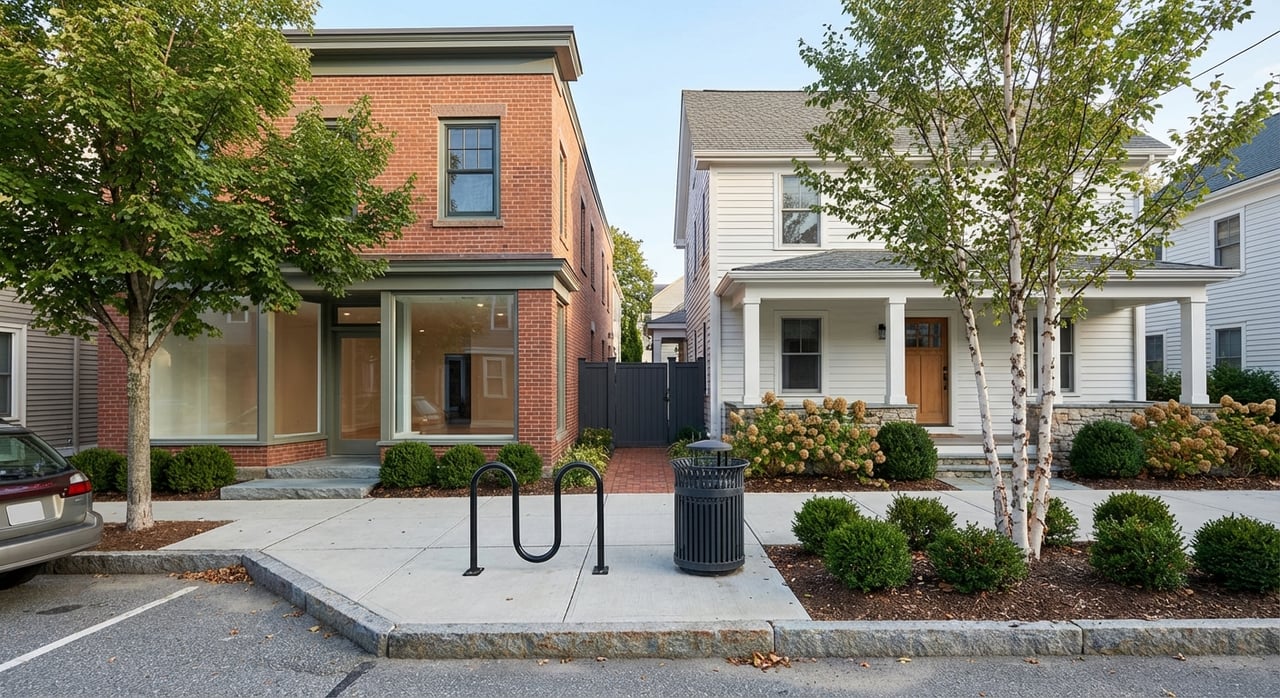
Great Barrington offers a compact, walkable downtown lined with restaurants, galleries, theaters, and small retail. If you value walking to dinner, events, and errands, a downtown condo puts you close to it all. Surrounding neighborhoods and nearby villages deliver more single‑family options, larger lots, and a quieter feel while staying a short drive from Main Street.
The buyer mix includes year‑round residents, retirees, and second‑home owners. Seasonal demand in summer and fall can affect inventory and pricing, especially for well‑located, turnkey properties. If you are planning a purchase around the cultural season, start early and expect competition for the most convenient locations.
Condo vs house: quick snapshot
- Condos emphasize low‑maintenance living and walkability near downtown amenities.
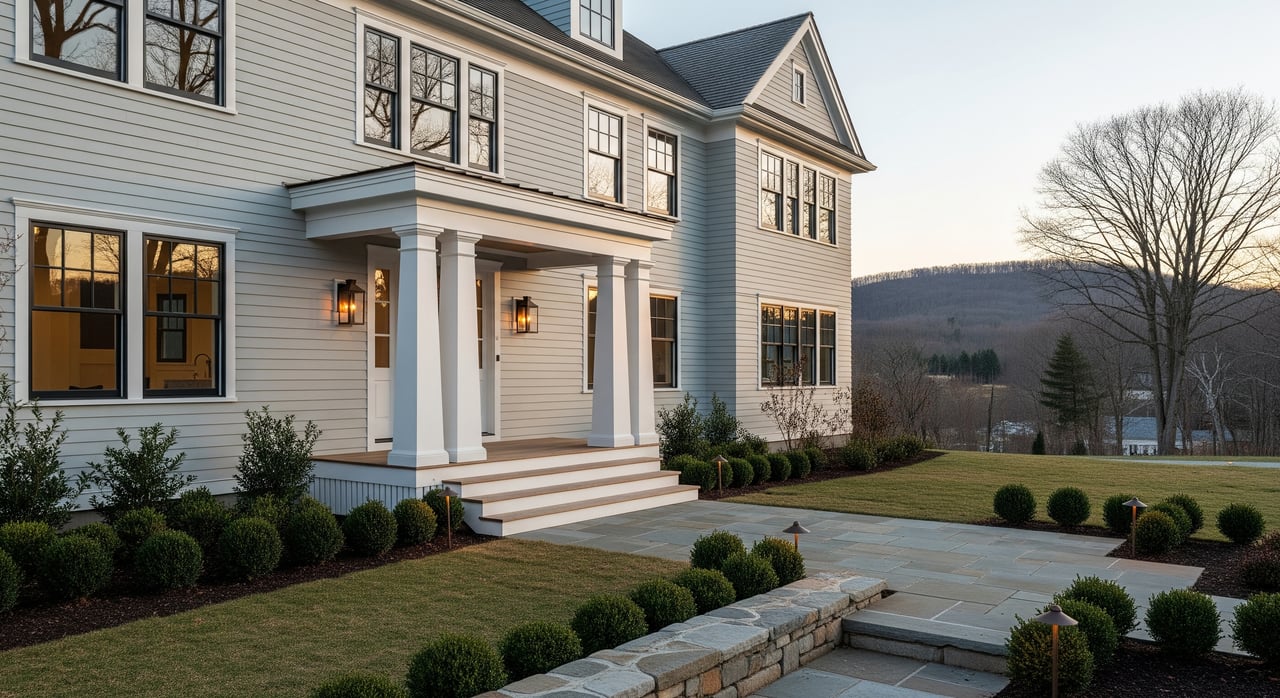
- Single‑family homes offer more space, privacy, and control over your property.
- Condos often list for less than similarly located houses, but HOA fees add to the monthly cost.
- Houses require budgeting for all maintenance, which can vary year to year.
Costs: your monthly bottom line
When you compare a condo and a house, look past list price and calculate your total monthly housing cost. Include your mortgage, property taxes, insurance, HOA fees if any, utilities, and a maintenance allowance. Condos often have lower purchase prices but add HOA fees to cover common costs. Houses usually have higher variable maintenance but no monthly HOA.
To ground your numbers, use local sources: Berkshire County MLS for recent sales, the Town of Great Barrington assessor for current tax rates and assessed values, and HOA documents for fee details and reserves. Because figures change, an apples‑to‑apples budget will help you compare options clearly.
What to include in your budget
- Mortgage principal and interest
- Property taxes based on assessed value and current local rate
- Insurance: HO‑6 for condos, HO‑3 for single‑family homes
- HOA fees for condos, plus any special assessments
- Utilities, internet, and trash removal
- Maintenance allowance for repairs, snow, and seasonal care
Maintenance and control
Condo associations typically handle exterior maintenance, snow removal, landscaping, and building insurance for the structure. You are usually responsible for the interior of your unit and any limited‑common elements. Review the condominium master deed, bylaws, annual budget, and reserve study to understand coverage, reserves, and upcoming projects.
With a single‑family home, you control decisions on your roof, siding, yard, and systems, and you also carry the full workload and cost. Some owners enjoy that freedom; others prefer to outsource maintenance or choose a condo for predictability. Either way, ask for recent inspection reports, maintenance history, and any contractor permits to understand the home’s condition.
Location and walkability
Downtown condos put you within a short walk of dining, entertainment, and errands. That convenience reduces car dependence and makes spontaneous nights out simple. You can also check address‑specific walkability tools to compare locations.
Village‑adjacent single‑family homes usually require driving for many errands, though most neighborhoods are a quick ride to Main Street. The tradeoff is a quieter setting with more space. If transit access matters, check local routes and service times to see how they fit your routine.
Outdoor space and privacy
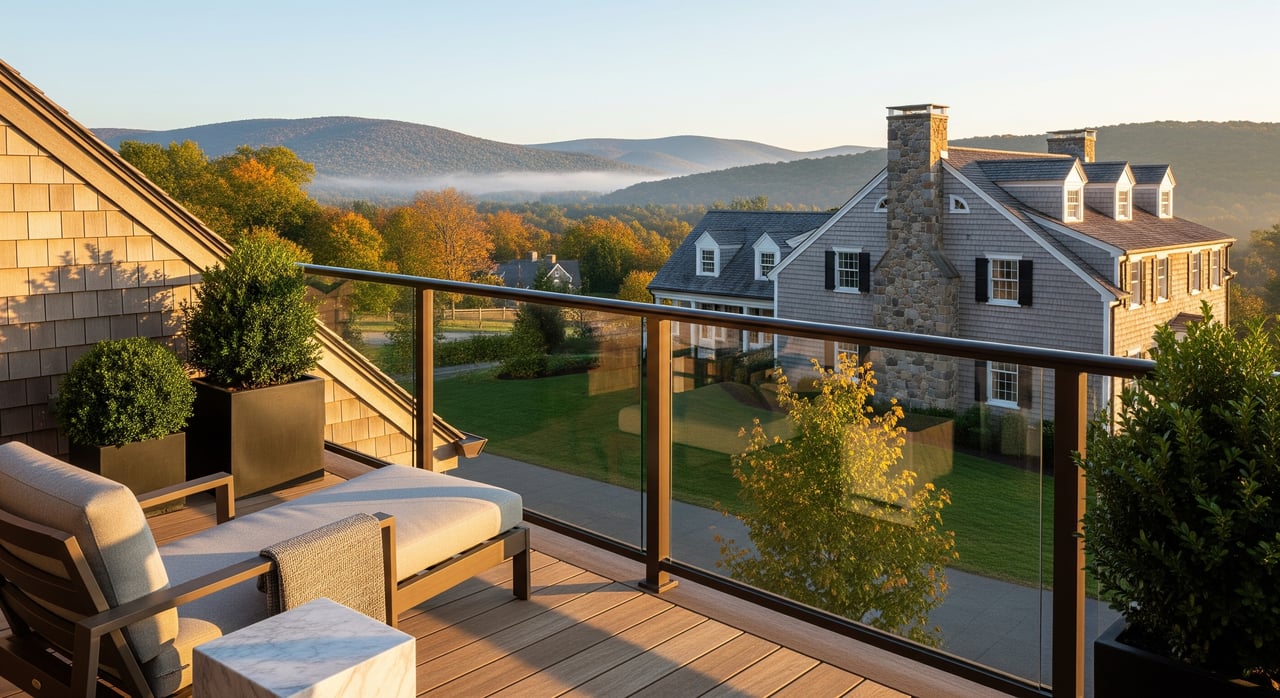
Condos often include balconies, small patios, or shared courtyards. They are ideal if you want fresh air without yard work. Pet areas, grilling, or gardening may be limited by building rules.
Single‑family homes provide private yards, driveways, and often garages. You have room for gardens, hobbies, and storage, plus the option to expand if zoning allows. If you are considering additions or an accessory dwelling unit, confirm local zoning and permitting requirements with the town planning office.
Parking and storage
Downtown condos can come with on‑street parking, assigned spaces, or shared lots. Be sure to verify deeded parking, guest policies, and any winter rules. Storage may be limited to unit closets or a designated locker.
Most single‑family homes include a driveway and often a garage or outbuilding, which makes life easier for multiple vehicles, outdoor gear, or home workshops. If you have equipment‑heavy hobbies, a house delivers flexibility.
Rules, taxes, and insurance
Condo communities operate under Massachusetts General Laws, chapter 183A, with each association governed by its master deed and bylaws. Confirm policies on rentals, pets, renovations, and short‑term rentals before you fall in love with a unit. Given the region’s vacation demand, it is important to know what is allowed and what is not.
At the town level, property taxes are based on assessed value and the current local rate. Check the Town of Great Barrington assessor for the latest details and any residential exemptions. For insurance, condos usually pair an HO‑6 policy for interiors and personal property with the association’s master policy, while single‑family homes require an HO‑3 policy that covers the entire structure and liability.
If you plan to use FHA or VA financing, ask your lender about condo project approval requirements. Lenders often review reserve levels, owner‑occupancy ratios, and litigation status during underwriting.
Resale and demand
Condos near downtown appeal to downsizers, professionals, and second‑home buyers who want easy access to culture and dining with minimal upkeep. That buyer pool can support steady turnover, though values can be sensitive to HOA health and fees.
Single‑family homes draw a broader audience, including long‑term residents who want yard space and private parking. Resale can be more influenced by lot quality, overall condition, and proximity to amenities. In the Berkshires, seasonal and second‑home demand can lift interest in well‑located condos and turnkey houses alike.
Who each option fits
- Best for a downtown condo: You prioritize walkability, cultural life, and lock‑and‑leave ease. You are comfortable with smaller private outdoor space and value predictable maintenance.
- Best for a village‑adjacent house: You want a yard, room for pets, storage for gear, and flexibility to add or garden. You are ready to manage maintenance or hire help.
- Middle‑ground options: Townhouses, carriage houses, or single‑family homes close to downtown can blend walkability with a bit of outdoor space when available.
A simple way to decide
Try this 20‑minute exercise:
- List your top five must‑haves. Rank walkability, outdoor space, parking, privacy, and commute.
- Sketch a monthly budget using recent MLS sales, current tax rates, and sample insurance quotes for both a condo and a house.
- Visit two locations you like at different times: weekday evening and weekend midday. Note noise, parking, and traffic.
- Review rules. For condos, scan bylaws for rental and pet policies. For houses, check zoning for any future plans, setbacks, or ADU options.
- Imagine daily life. How will groceries, guests, and hobbies fit in each scenario?
Buyer checklist for Great Barrington
For condos
- Review master deed, bylaws, budget, reserve study, recent financials, and meeting minutes.
- Confirm monthly fees, what they include, and the level of reserves.
- Ask about rental and short‑term rental policies, pet rules, parking assignments, and guest limits.
- Understand the split between the association’s master insurance and your HO‑6 coverage.
- If using FHA or VA, ask your lender about project approval.
For single‑family homes
- Order inspections covering structure, roof, HVAC, electrical, moisture, and pests. For older buildings, consider lead or asbestos assessments.
- Verify property boundaries, wetlands or floodplain status, and any historic‑district considerations if applicable.
- Review septic or sewer details and water source.
- Ask for maintenance history and permits for recent work.
For both property types
- Confirm current property taxes with the Town of Great Barrington assessor.
- Check zoning for permitted uses, setbacks, and any planned municipal projects that could affect traffic or desirability.
- Compare total monthly cost across both options using the same line items.
- Evaluate utilities and services, including internet providers and snow removal.
How we can help
Choosing between a condo and a house is about lifestyle fit as much as budget. Our team helps you run true apples‑to‑apples comparisons, source HOA documents early, and line up trusted inspectors, lenders, and attorneys who understand Berkshire properties. When you are ready, we will curate options that match how you want to live, seasonally or year‑round.
Ready to find your fit in Great Barrington? Schedule a consultation with Katie Soules for tailored guidance and a shortlist of properties that align with your goals.
FAQs
What costs should I compare when choosing a Great Barrington condo or house?
- Compare mortgage, property taxes, insurance type and cost, HOA fees if any, utilities, and a maintenance allowance for a true monthly total.
How do HOA rules affect downtown Great Barrington condos?
- HOA documents govern rentals, pets, renovations, parking, and assessments, so review the master deed, bylaws, budget, and recent meeting minutes before you commit.
What inspections are important for older downtown buildings in Great Barrington?
- Focus on structure, roofing, electrical, moisture, and potential lead or asbestos, and use inspectors familiar with historic New England buildings.
Are short‑term rentals typically allowed in Great Barrington condos?
- Policies vary by building and town rules, so confirm short‑term rental allowances and any restrictions directly in the HOA documents and local ordinances.
How do property taxes work for Great Barrington homes and condos?
- Taxes are set at the town level based on assessed value and the current rate, so verify the property’s assessment and bill with the Town Assessor.
Will my financing be different for a condo than a house in Great Barrington?
- Lenders may require condo project reviews, and FHA or VA loans may need project approval, so discuss requirements early with your lender.