Wondering whether a historic home in Stockbridge is a dream purchase or a bigger commitment than you expected? In a town where historic character shapes not just individual properties but the broader setting, buying an older home often means balancing beauty, condition, and long-term stewardship. If you are considering a historic property here, it helps to understand how local preservation review, inspections, and property history can affect your plans. Let’s dive in.
Why Stockbridge Historic Homes Stand Out
Stockbridge has an unusually rich concentration of historic resources for a town of its size. A Berkshire Planning Commission report identified hundreds of buildings and sites in the town’s MACRIS inventory, along with eight National Register districts.
That matters because when you buy in Stockbridge, you are often buying into a larger historic setting. The town’s identity is closely tied to places such as Chesterwood and Naumkeag, so historic character is part of the everyday landscape, not just a feature on a listing sheet.
What “Historic Home” Can Mean Here
In Stockbridge, a historic home can take several forms. You may find an early village house, a residence in or near the historic downtown, or an estate-era property with outbuildings, grounds, and layered additions.
The Main Street Historic District documentation shows a long period of significance from the 18th century through the mid-20th century. For you as a buyer, that is a useful clue that many homes may reflect multiple eras of renovation rather than one untouched period style.
Expect Architectural Variety
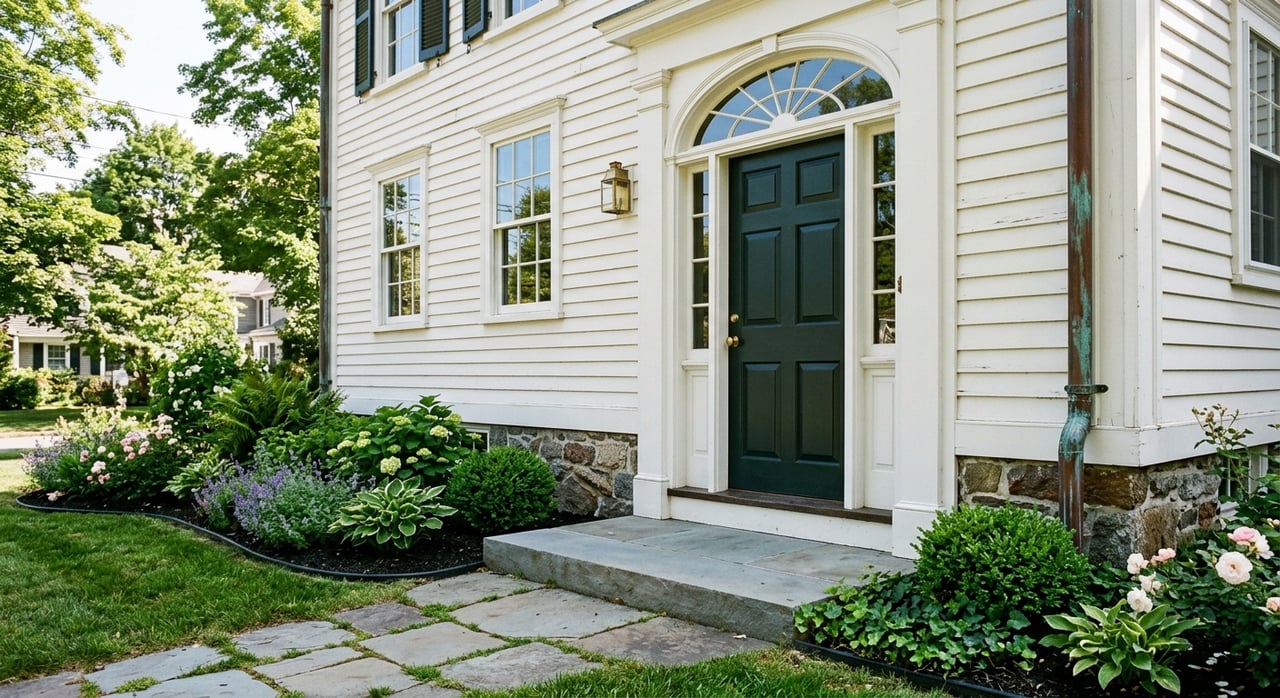
Some of Stockbridge’s best documented style anchors include Georgian and Federal design in the Main Street Historic District, along with Queen Anne and Shingle Style features at Naumkeag. That range means two homes both described as historic may have very different layouts, materials, and maintenance needs.
One property may offer original trim, fireplaces, and wide-plank floors. Another may include later updates, additions, or replacement materials that changed how the home functions over time.
Verify What Is Original
Character is a major part of the appeal, but it is worth confirming what is truly original, what has been replaced, and what was added later. In a market with long periods of significance and varied property types, that distinction can affect renovation planning, maintenance expectations, and how you think about future resale.
It is also smart to verify whether a property is individually documented, located within a National Register district, or associated with other historic-resource records. The Berkshire Planning Commission report notes that some MACRIS records do not include individual inventory forms, so buyers should confirm a property’s exact status before assuming anything about its history or review process.
Understand Local Review Before You Renovate
One of the most important things to know is that National Register listing by itself does not create federal restrictions for a private owner. According to the National Park Service FAQs, listing alone does not automatically limit what a private homeowner can do.
However, Stockbridge has its own local rules that can affect your plans. The town’s Article XXII bylaw creates a town-wide demolition and alteration review process for buildings that are at least 50 years old.
When the Bylaw May Apply
If a qualifying project is proposed, the application is filed with the Building Inspector and then forwarded to the Historic Preservation Commission within seven business days for certain projects. If the commission finds that the building is significant or that the alteration is substantial, the matter may move to a Planning Board hearing.
The bylaw defines substantial alteration in part by a 500-square-foot exterior threshold and by whether the work would materially compromise historic significance. In practical terms, exterior changes may require more review than buyers expect, especially if they affect the building’s character.
Why This Matters to Buyers
This does not mean historic ownership in Stockbridge is unworkable. It means you should evaluate the property not only for how it looks today, but also for how your future plans align with the local process.
If you are hoping to expand, re-side, remove older structures, or make noticeable exterior changes, review should be part of your due diligence. A property that feels perfect in its current form may be less flexible if your vision depends on major visible alterations.
Make Inspections More Detailed
For an older Stockbridge home, a standard home inspection is the starting point, not the finish line. Massachusetts notes that its residential home inspection waiver rule applies to sales after October 15, 2025, and sellers cannot condition acceptance on a buyer waiving an inspection.
That is especially important with historic housing stock, where age and layered renovations can hide issues behind finished walls, under roofing, or within older systems. A careful inspection strategy can help you understand both immediate repairs and longer-term ownership costs.
Specialist Checks to Consider
Depending on the property, you may want to discuss additional evaluations with your inspector and attorney. Common areas to consider include:
- Lead: The EPA says buyers of homes built before 1978 should receive lead information, and buyers may test for lead hazards during a 10-day window.
- Asbestos: The EPA recommends testing suspect materials only when they are damaged or likely to be disturbed by renovation, and sampling should be done by a properly trained asbestos professional.
- Private well water: If the property uses a private well, MassDEP recommends water quality testing before purchase.
- Septic systems: If the home is served by septic, Title 5 governs sale-related inspections, which can be a major part of rural and older-home due diligence.
- Radon: MassDPH recommends that all homes be tested for radon.
Ask the Right Inspection Questions
When you tour and inspect a historic home, focus on both condition and history. Ask when major systems were updated, whether exterior materials are original or replaced, and what permits or approvals were obtained for past work.
You may also want to ask about deferred maintenance, drainage, window condition, roofing age, foundation movement, and any seasonal issues. In an older home, small details often tell a larger story about how the property has been cared for over time.
Think Like a Steward
Buying a historic home in Stockbridge is not only about charm. It is also about whether the property fits your ownership style.
For many buyers, the appeal is easy to understand: architectural detail, established settings, and a strong sense of place. But historic ownership often works best when you see preservation review, specialist inspections, and periodic maintenance as part of the normal ownership model rather than one-time hurdles.
Match the Home to Your Goals
Before you make an offer, it helps to be honest about what kind of owner you want to be. A well-preserved home may be a great fit if you value original character and are comfortable planning repairs thoughtfully over time.
If you want a property you can quickly reconfigure, expand, or modernize from the outside in, you may need to be more selective. The right historic home is usually the one whose existing features and constraints already align with how you want to live.
A Practical Buying Approach
If you are serious about buying a historic home in Stockbridge, keep your process focused on clarity. A simple framework can help:
- Confirm the property’s historic context. Check whether it falls within a documented district or has known historic-resource records.
- Review local alteration rules early. If you have renovation plans, understand Article XXII before you get too far.
- Build a stronger inspection plan. Use the general inspection as a base, then add specialist testing where appropriate.
- Evaluate modernization honestly. Separate cosmetic appeal from structural, environmental, and systems questions.
- Plan for ownership over time. Budget for maintenance and expect older homes to need ongoing attention.
A thoughtful process can help you protect both your investment and your enjoyment of the property.
If you are exploring historic homes in Stockbridge and want guidance grounded in local market knowledge, Katie Soules can help you evaluate property character, due diligence, and the nuances that come with buying in one of the Berkshires’ most distinctive towns.
FAQs
What makes a home historic in Stockbridge?
- In Stockbridge, a historic home may be associated with older village development, a documented historic district, or the town’s broader historic-resource inventory, which includes many buildings and sites.
Does National Register status restrict private owners in Stockbridge?
- No. National Register listing alone does not create federal restrictions for a private owner, though local rules in Stockbridge may still affect demolition or exterior alterations.
What local preservation rule should Stockbridge buyers know?
- Buyers should understand Stockbridge’s Article XXII bylaw, which creates a town-wide demolition and alteration review process for buildings that are at least 50 years old.
What inspections matter when buying an older Stockbridge home?
- A standard home inspection is important, and depending on the property, buyers may also consider lead, asbestos, private well water, septic, and radon evaluations.
Why should Stockbridge buyers verify a property’s historic records?
- Because some local historic-resource records may be incomplete, verifying a property’s exact designation or documented status can help you plan renovations and due diligence more accurately.