Torn between the museum-rich calm of Williamstown and the festival-forward energy of Lenox for your Berkshire retreat? Both towns deliver art, nature, and classic New England charm, but the day-to-day experience can feel very different once you own a home. In this guide, you will compare culture, outdoor access, seasonality, housing styles, and practical costs so you can choose a second home that truly fits how you want to live. Let’s dive in.
Williamstown vs. Lenox at a glance
- Cultural vibe: Williamstown offers a steady year-round rhythm tied to Williams College and world-class museums. Lenox comes alive in summer with headline performances and heritage attractions.
- Outdoor access: Williamstown places you close to village trails and northern Berkshire vistas. Lenox delivers large wildlife sanctuaries and guided nature programming.
- Seasonality: Lenox peaks in late spring through early fall with Tanglewood and theatre. Williamstown’s calendar is more even, with quieter winters.
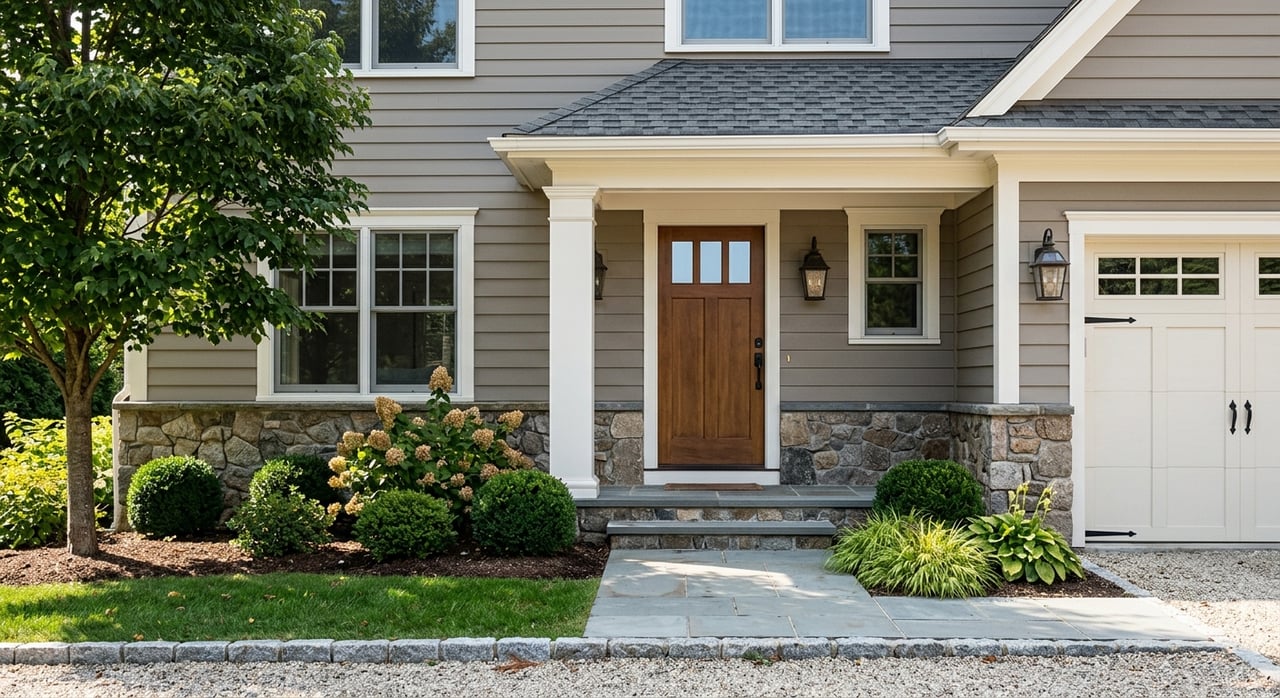
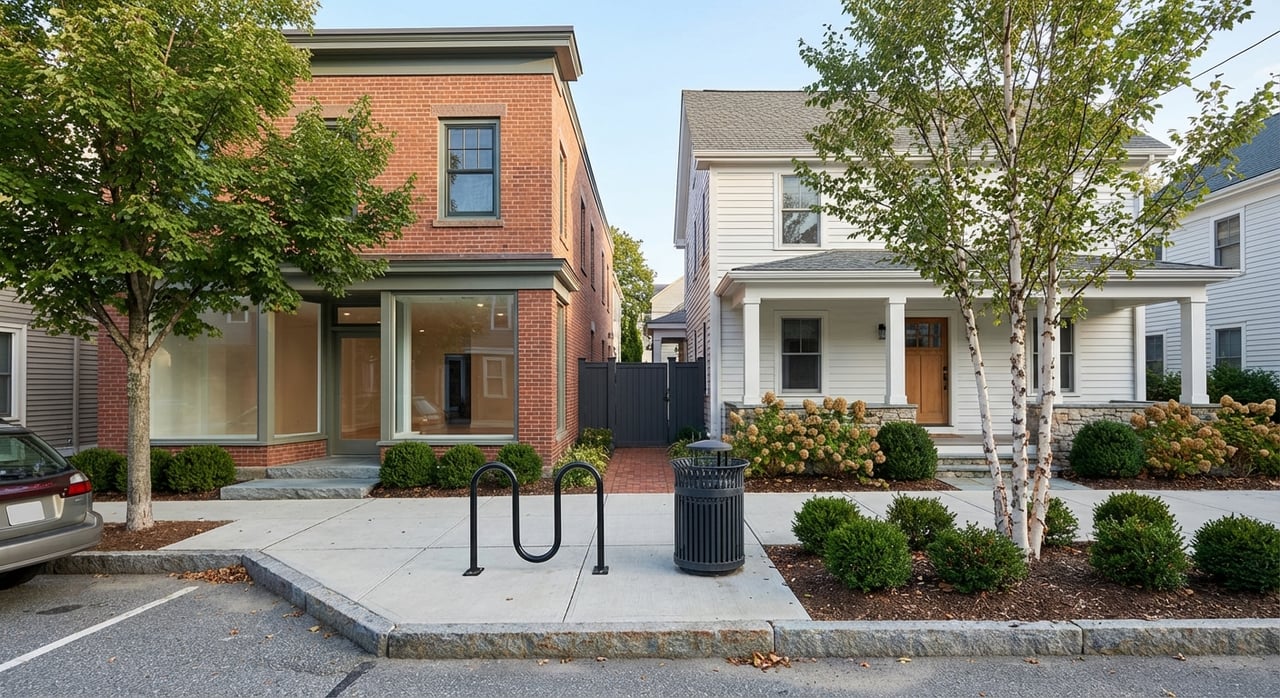
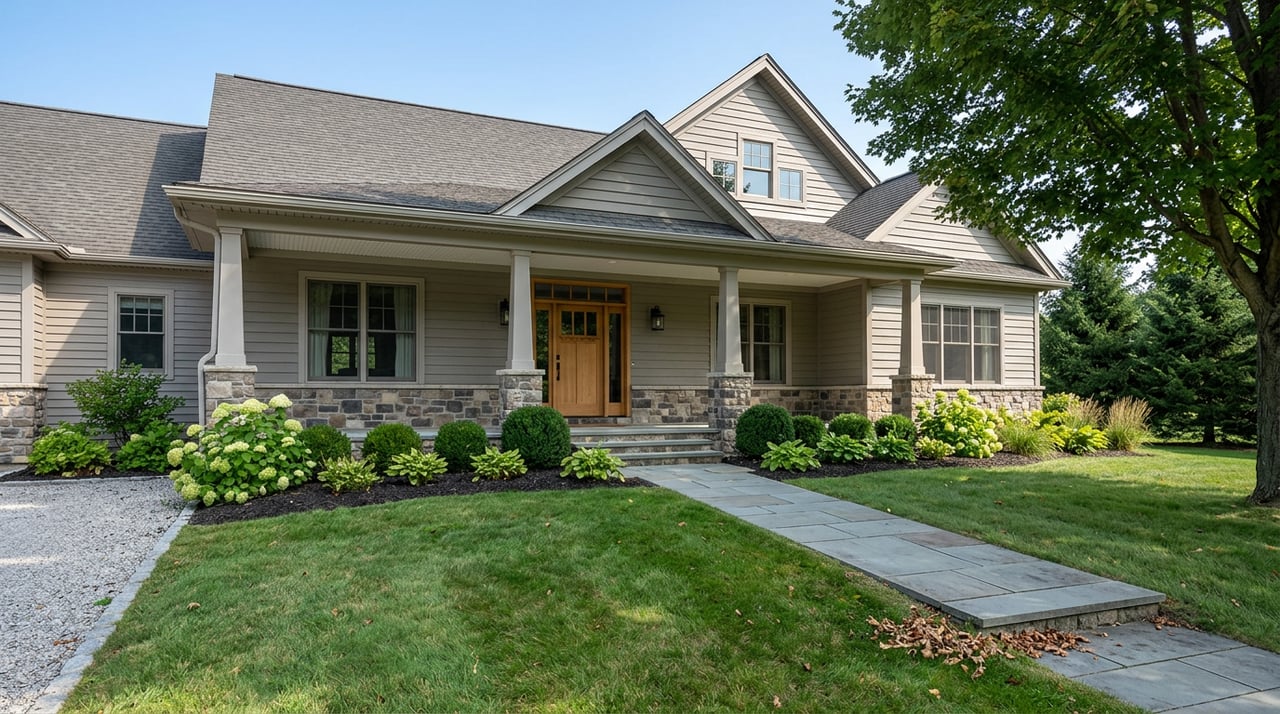
- Housing character: Williamstown’s classic New England village homes mix with modern builds near the college. Lenox spans modest in-town homes to grand Gilded Age estates.
- Market signal: Zillow’s Home Value Index places Williamstown in the mid-$400k range and shows Lenox notably higher within Berkshire County tables. Redfin’s monthly medians swing due to small sample sizes and occasional estate sales, so read medians with care.
- Who chooses what: Pick Lenox for a lively summer scene and walkable dining. Choose Williamstown if you value museum days, college events, and low-key winters.
Arts and culture
Williamstown: college-town depth, museum days all year
Williams College anchors a thoughtful, year-round cultural life, from lectures to gallery events. The Williams College Museum of Art curates robust programming and new exhibitions throughout the academic calendar, making rainy Saturdays or quiet winter weekends feel full of options. You also have easy access to North Adams’ MASS MoCA for contemporary art, rounding out an arts triangle that rewards frequent, shorter visits over big festival weekends. Explore WCMA’s visitor information to get a sense of the cadence and offerings at the museum.
- Learn more about the Williams College Museum of Art: WCMA visit information
Lenox: performance season, Gilded Age ambiance
Lenox’s identity centers on summer performance. Tanglewood, the Boston Symphony Orchestra’s summer home, sets the tone with classical, pops, and special-guest concerts on warm evenings. Shakespeare & Company layers in seasonal theatre and education programs, and historic “cottages” like The Mount and Ventfort Hall underscore the town’s heritage feel. The result is a lively late spring through early fall, with packed weekends and an expanded restaurant scene.
- Explore the venues at Tanglewood: BSO Tanglewood venues
- See seasonal theatre and programs: Shakespeare & Company
Trails, nature, and seasonality
Williamstown: village-to-trail ease and northern vistas
If stepping from your front door to a day hike matters, Williamstown is compelling. Town plans highlight popular trails like Pine Cobble, Hopkins Memorial Forest, and walking paths across museum campuses, which locals use across all four seasons. The northern Berkshires also provide regional access to Mount Greylock and state reservations for foliage, hiking, snowshoeing, and quiet winter walks.
- Review Williamstown’s open space and trail planning: Williamstown Open Space & Recreation Plan
Lenox: large sanctuaries and guided programs
Lenox sits on the Yokun Ridge and is home to Mass Audubon’s Pleasant Valley Wildlife Sanctuary, a sizable preserve with trails that climb Lenox Mountain. In addition to scenic loops and ridge views, you will find guided walks, seasonal programs, and nature camps that add structure to your outdoor time. It is a great fit if you want expansive, protected acreage a few minutes from in-town dining.
- Plan a visit: Mass Audubon’s Pleasant Valley trails and programs
What the seasons feel like
- Summer: Lenox experiences peak lodging and dining demand during Tanglewood season, with many evening events and festival weekends. Williamstown is active with museum visitors and college-related events, often with a little less crowding.
- Fall: Both towns see a foliage spike, especially on weekends; plan ahead for dining and lodging if you host guests.
- Winter: Life quiets. If you own a second home, budget for heating, snow removal, and off-season property checks.
Housing styles you will see
Williamstown
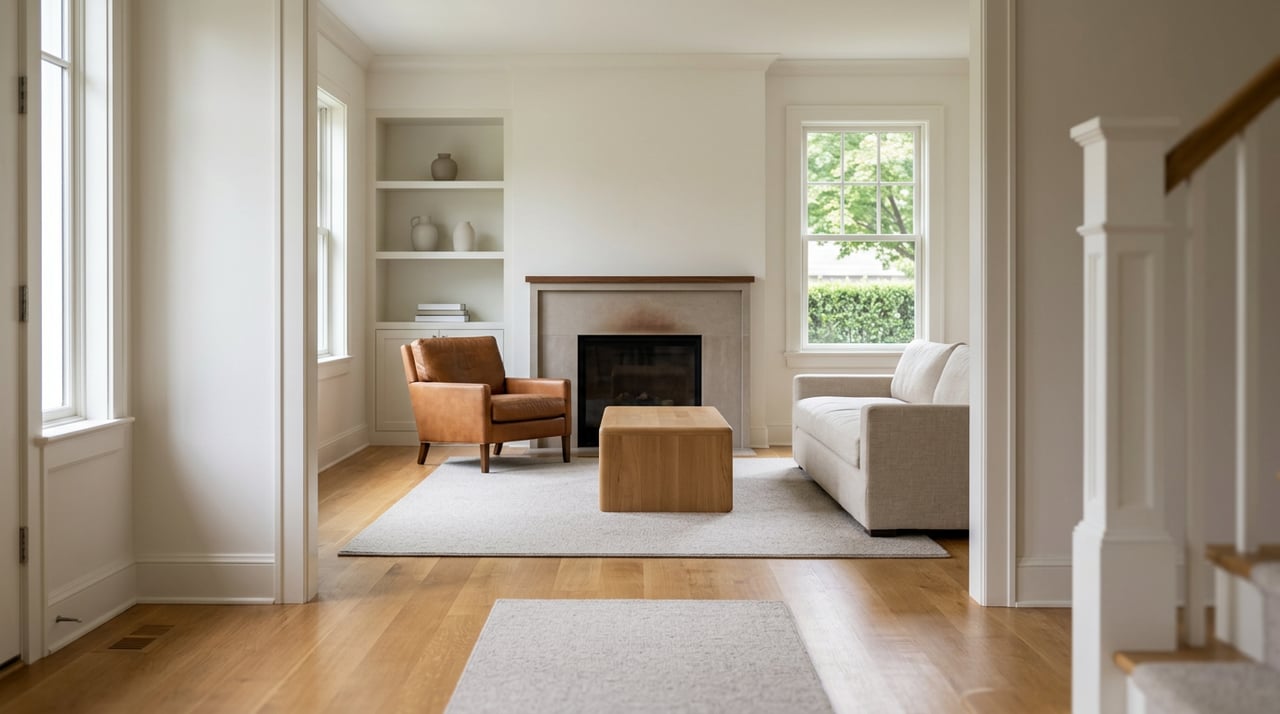
You will find classic New England village homes such as Colonials, farmhouses, and Queen Anne styles, plus cottages and newer builds near the college. Preserved farmland and open space shape lot sizes and views, which many second-home owners value for privacy and scenery. Architect-sensitive updates and contemporary builds appear alongside historic properties, reflecting the area’s museum and college influence.
Lenox
Lenox offers an unusually broad mix. In-town streets feature Victorian and Colonial homes, while the surrounding hills hold modern country properties on larger lots. The legacy of Gilded Age “cottages” and estates yields a market that ranges from modest village homes to very large, high-end properties, often near inns and heritage sites.
Reading price signals wisely
Town-level indices often show Lenox priced higher than Williamstown on typical measures, with Zillow’s Home Value Index placing Lenox above Williamstown. Redfin’s median sale figures can jump on months with only a few closings, especially when a large estate trades. Use indices for trend direction, then verify current values with on-the-ground MLS data for your specific neighborhood and property type.
Costs to own: taxes and carrying costs
Property taxes vary by town and are set annually by local assessors. For FY2026, Lenox posts a residential rate of $9.85 per $1,000 of assessed value, while Williamstown’s assessor materials illustrate an example rate of $14.20 per $1,000. Bills depend on assessed value and may include local add-ons, so always verify with each town before you buy.
- Williamstown Assessor resources: Board of Assessors
- Lenox FY2026 residential tax rate: Town of Lenox Tax Rate
Sample illustration only: On an assessed value of $750,000, a notional Williamstown bill calculated at $14.20 per $1,000 would be about $10,650. In Lenox, at $9.85 per $1,000, it would be about $7,387.50. Your actual bill can differ based on updated rates, assessments, and any local fees.
Beyond taxes, plan for winter care. Budget for snow removal, a local caretaker or property manager, heating efficiency upgrades, and periodic HVAC and plumbing checks. Well-insulated, winterized homes can reduce surprises when you use the property intermittently.
Short-term rentals and local rules
If you hope to offset costs with short-stay rentals, verify rules before you commit. Lenox has been actively discussing updates to registration and inspection requirements, including safety checks and potential conditions on day counts or owner occupancy. Williamstown addresses some short-term rental use within its zoning code rather than a single centralized registry.
- For second-homeowner guidance and contacts: Lenox Important Info for 2nd Homeowners
- Williamstown zoning reference: ecode360 zoning excerpt
- Regional regulatory trend notes: STR regulatory briefing
Regulations can change by town meeting or bylaw vote, so always confirm the current path with the Town Clerk, Planning Department, and Board of Health. Do not assume rental income until you understand what is allowed on your specific parcel.
Utilities, services, and practical checks
- Water and septic: Confirm whether a property is on municipal water and sewer or on private well and septic. Maintenance, inspections, and insurance considerations differ, and some lots have specific on-site system requirements.
- Access and care: Rural roads can be hilly and shaded. Ask about plow routes, propane access, and storm response in your micro-area.
- Medical services: Berkshire County is rural, and major hospital services are concentrated in larger towns. If rapid access is a priority for you, factor travel times into your decision.
Which town fits your second-home style?
Choose Lenox if you want:
- A summer filled with concerts and theatre, from Tanglewood to Shakespeare & Company.
- A walk-to-dining lifestyle on festival weekends and an expanded hospitality scene.
- The option to explore short-stay rentals during peak season, after verifying local rules.
Choose Williamstown if you want:
- A quieter, year-round cultural rhythm anchored by college programming and museum days.
- Immediate trail access from village neighborhoods and northern Berkshire views.
- Winters that feel calm, with easy day trips to MASS MoCA and regional nature.
Ready to compare real-time listings, taxes, and neighborhood nuances side by side? For a curated shortlist and a step-by-step plan, Schedule a consultation with Katie Soules.
FAQs
What is the main lifestyle difference between Williamstown and Lenox for second-home owners?
- Williamstown offers a steadier, museum-and-college-driven calendar, while Lenox is liveliest in late spring through early fall with Tanglewood and theatre.
How do property taxes compare for a typical $750,000 home in each town?
- Using FY2026 rates, a notional Williamstown bill at $14.20 per $1,000 is about $10,650, while Lenox at $9.85 per $1,000 is about $7,387.50, with actual bills dependent on assessments and local add-ons.
Are short-term rentals allowed in Lenox or Williamstown?
- Rules are evolving, so verify with each town before assuming rental income, using Lenox’s second-homeowner guidance and Williamstown’s zoning references as starting points.
How crowded do summers get, and does that affect ownership?
- Lenox crowds peak during Tanglewood season with higher dining and lodging demand, while Williamstown is active but usually a bit less crowded on festival weekends.
Which town has easier in-town trail access for quick hikes?
- Williamstown is notable for village-to-trail convenience with Pine Cobble, Hopkins Memorial Forest, and museum campus paths highlighted in town planning documents.