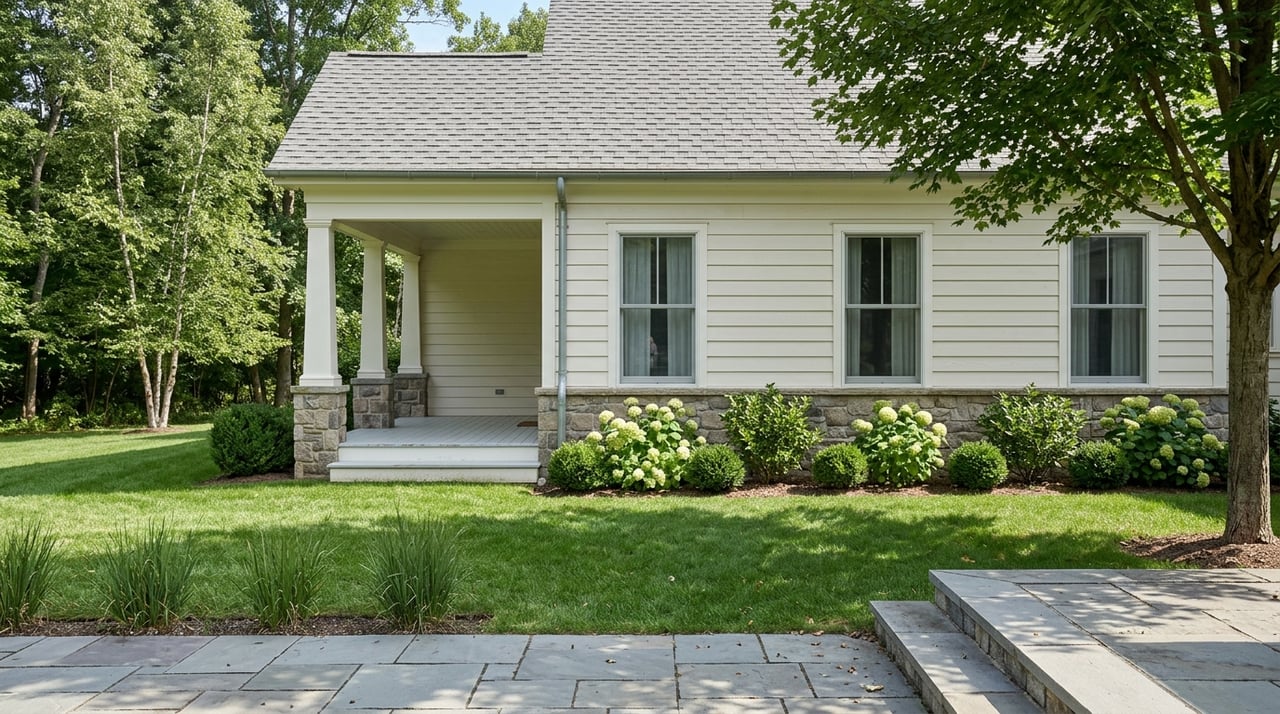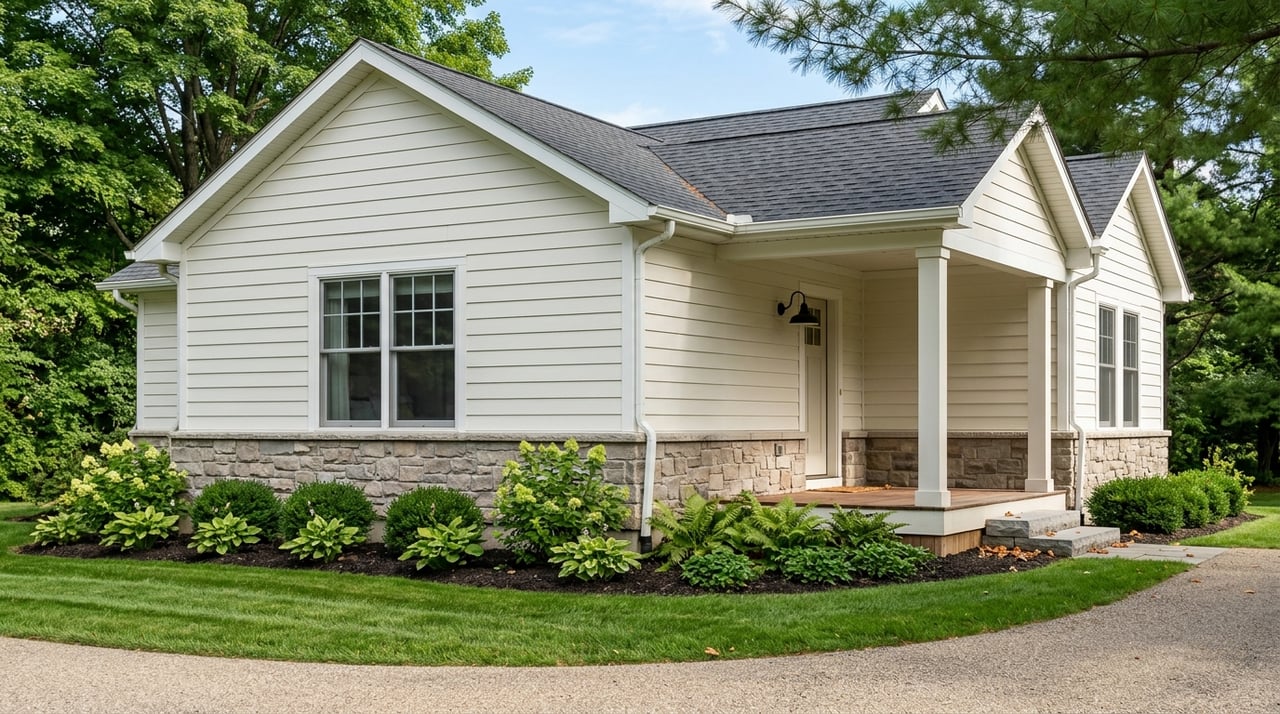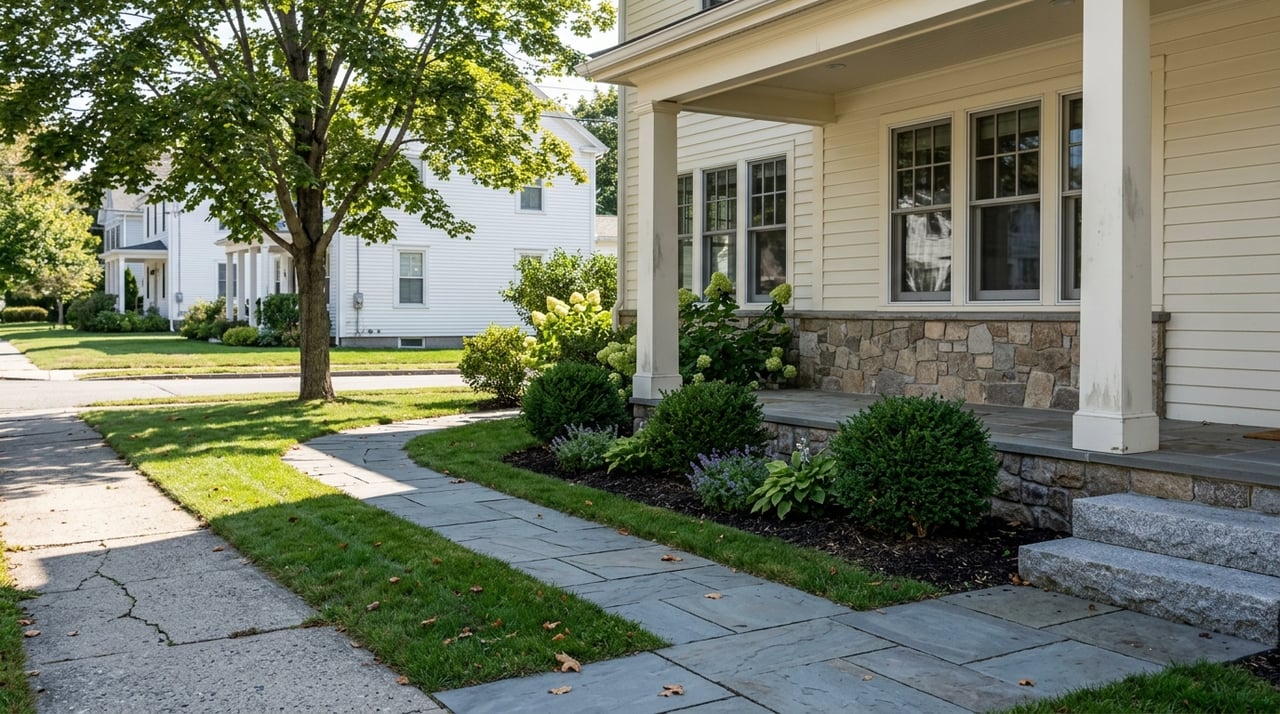
Are you picturing mornings when you can walk out for coffee and dinner, or do you keep coming back to the idea of more land, more quiet, and a wider view? If you are considering Great Barrington, that choice is one of the most important parts of your home search. The good news is that both in-town and country living can deliver the Berkshire lifestyle, just in very different ways. Let’s look at how each setting fits daily life, property style, and long-term goals.
Great Barrington Offers Two Lifestyles
Great Barrington covers 44.82 square miles, with an estimated 2025 population of 7,239 and a population density of about 160 people per square mile. Even before you narrow your search, that tells you the town as a whole feels relatively low-density.
Within that larger setting, there is a clear split between the village core and the more rural edges. The Village Center Overlay District along Main Street was created to support mixed uses, pedestrian activity, historic preservation, economic revitalization, and mixed-use buildings.
In practical terms, your search often comes down to this: do you want to live close to the action, or do you want more space and separation? Great Barrington can offer either, which is part of what makes it so appealing.
In-Town Living in Great Barrington
If you want convenience built into your day, in-town living deserves a close look. Downtown Great Barrington is described by the local cultural district as a roughly half-mile walkable core with food, entertainment, art, shopping, and wellness uses clustered together.
That kind of layout can make daily life feel simple and connected. Instead of planning every outing around a car, you may be able to step out for errands, a meal, or an event with very little effort.
Walkability and Daily Convenience
The downtown business area includes a food co-op, coffee shops, bakeries, specialty retail, a farmers market, and a range of restaurants along Main, Railroad, Bridge, and Church Streets. If you value being able to pick up groceries, meet friends, or browse local shops on foot, the center of town is the strongest match.
For many buyers, this is not just about convenience. It is about rhythm. In-town living can make it easier to enjoy the social and cultural side of Great Barrington as part of your normal week, not just as an occasional outing.
A More Compact Housing Pattern
Zoning in and near the core generally allows smaller minimum lot sizes than the more rural parts of town. Core business and mixed-use districts commonly use 5,000-square-foot minimum lots, while outer residential districts can require much larger parcels.
That does not mean every in-town property feels tight. It does mean you are more likely to see homes and mixed-use buildings set closer together, with a more traditional village pattern and less land between neighbors.
Mixed-Use and Village Character
Downtown zoning explicitly supports mixed use and live/work units, and the MXD district is intended to preserve residential and retail uses within walking distance of the downtown core. Some village-center districts also reduce or waive certain off-street parking requirements for existing buildings.
For you as a buyer, that helps explain why the center feels more active and interconnected. It was designed to support a village experience where homes, businesses, and community life overlap more naturally.
Country Living in Great Barrington
If your ideal Berkshire home starts with privacy, natural surroundings, and a little more breathing room, country living may be the better fit. Outside the center, Great Barrington opens up into a landscape shaped by farms, trails, waterways, recreation areas, and historic scenery.
This part of town often appeals to buyers who want the Berkshires to feel restful from the moment they pull into the driveway. The tradeoff is that daily convenience usually gives way to greater reliance on driving.
More Land and More Separation
The zoning code makes the shift in land pattern easy to see. Residential districts increase in minimum lot size from 10,000 square feet in R1A and 6,500 square feet in R1B to 43,560 square feet in R2 and 87,120 square feet in R4.
As you move farther from the core, you are generally more likely to find larger yards, wider setbacks, and more landscape between homes. For many buyers, that extra separation is the main draw of country living.
Outdoor Access and Rural Setting
The local cultural district describes the surrounding area as a network of farms, hiking trails, skiing, waterways, and historic landscapes. The town’s open-space planning also reflects active management of land, water, agricultural, and recreation resources.
That means rural Great Barrington is not just about a bigger lot. It is often about living in a setting where outdoor access and scenic character are part of everyday life.
A Quieter Daily Pace
Country homes usually offer less immediate street activity than the village center. If you want a home that feels tucked away, pastoral, or more private, the outer residential and open-space areas may better match your lifestyle.
This can be especially appealing if you are searching for a second home, a retreat-like setting, or a year-round property where quiet surroundings matter as much as the home itself.
Transportation and Commute Considerations
Great Barrington’s average one-way travel time to work is 21.8 minutes, which points to a largely local or regional commute pattern. That can work well whether you live in town or outside it, but how you get around may look different.
BRTA service helps connect key parts of the area. Route 921 Express runs Monday through Saturday between Pittsfield and Great Barrington by way of Lenox, Lee, Stockbridge, and Great Barrington Center. Route 21 also runs Monday through Saturday between Lee and Great Barrington, and Route 22 is a weekday Great Barrington Loop connecting Housatonic, Barrington Plaza, Simon’s Rock, Fairview Hospital, and Fairgrounds Plaza.
For most buyers, the practical takeaway is simple. In-town living gives you the best chance to combine walking with limited bus access, while country living usually means driving will be a regular part of your routine.
How to Decide What Fits You Best
The right answer often comes down to how you want your day to feel, not just what kind of house you want to buy. A beautiful home in the wrong setting can feel like a mismatch very quickly.
Start by thinking about the lifestyle details that matter most to you:
- Do you want to walk to coffee, groceries, dining, or events?
- Do you prefer a village atmosphere or a more tucked-away setting?
- How important are privacy and land?
- Do you want easier access to trails and scenic surroundings?
- Will you rely on transit at all, or should you plan around driving?
If daily walkability and village energy are high on your list, focus first on the downtown overlay areas and other compact neighborhoods near Main Street. If privacy, acreage, views, and a quieter setting matter more, the outer residential districts and rural areas are the better starting point.
Why This Choice Matters in Your Search
In Great Barrington, the difference between in-town and country living is more than a map search. It shapes how you spend your time, how often you drive, what kind of surroundings you wake up to, and how connected you feel to the village core.
That is why local guidance matters. A home can look perfect online, but its setting often tells the real story once you understand the zoning, daily patterns, and the feel of each part of town.
Whether you are looking for a walkable village home, a more pastoral retreat, or something that balances both, working with a team that understands Great Barrington at the town level can help you narrow the field with much more confidence. If you are ready to compare options and find the right fit, connect with Katie Soules for tailored guidance on buying in Great Barrington.
FAQs
What is the difference between in-town and country living in Great Barrington?
- In-town living usually means being closer to the walkable downtown core, shops, restaurants, and services, while country living usually offers more land, more privacy, and a more rural setting.
Is downtown Great Barrington walkable for daily errands?
- Yes. The downtown core is described as a roughly half-mile walkable center with groceries, coffee shops, bakeries, restaurants, retail, and other everyday destinations nearby.
Do country homes in Great Barrington usually have larger lots?
- In general, yes. The town’s zoning shows larger minimum lot sizes in outer residential districts than in the core, which often means more yard space and more separation between homes.
Is public transportation easier to use from in-town Great Barrington?
- In most cases, yes. Living closer to Great Barrington Center and BRTA routes may make it easier to combine walking and limited bus use.
How do I choose the right part of Great Barrington for my lifestyle?
- Start with your daily priorities. If you want walkability and village atmosphere, look near downtown. If you want privacy, open space, and a quieter setting, focus on the more rural parts of town.