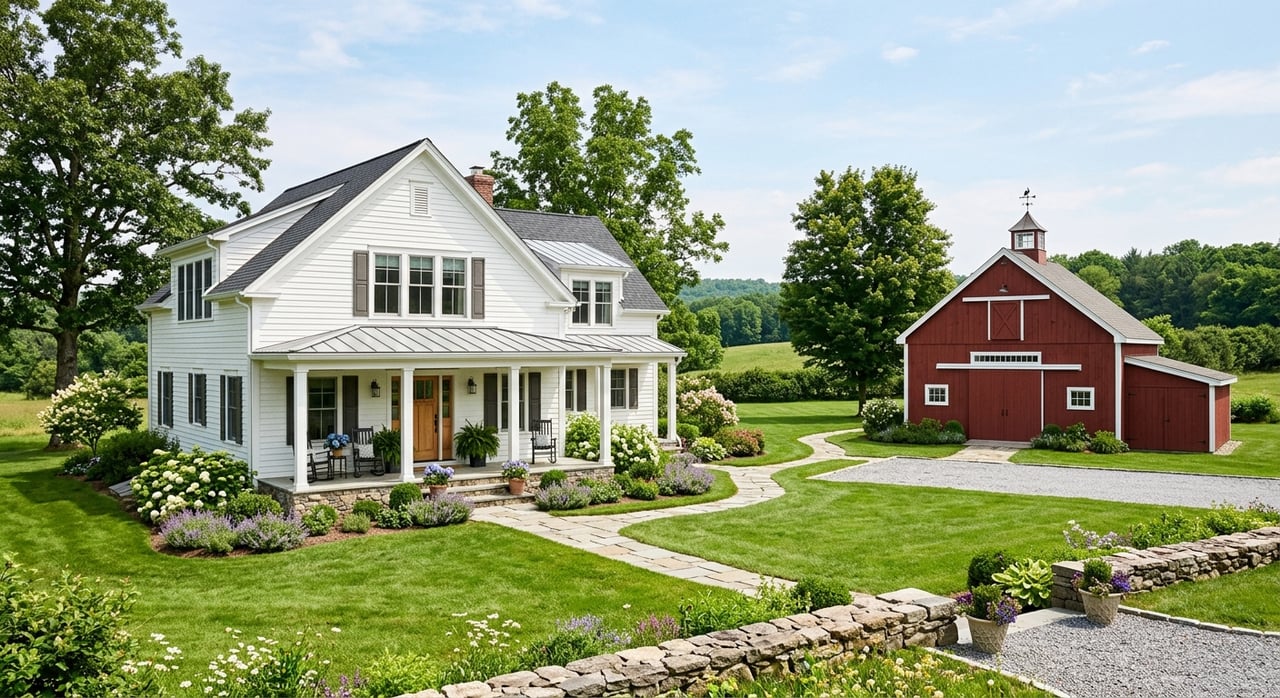
If you are looking for a farm or pastoral property in Sheffield, you are not just buying a home. You are buying land, infrastructure, and a set of real-world rules about how that property can be used over time. That can feel exciting and a little complex at once, especially if you want space for horses, gardens, open fields, or a small agricultural operation. This guide walks you through the key issues to understand before you buy, so you can move forward with more clarity and confidence. Let’s dive in.
Why Sheffield Appeals to Farm Buyers
Sheffield offers a landscape that naturally draws buyers who want acreage, privacy, and open views. According to town information from Sheffield, the community sits in the Housatonic River Valley and is shaped by the Housatonic River floodplain, the Schenob Brook wetland complex, and the surrounding Berkshire Hills and Taconic Range.
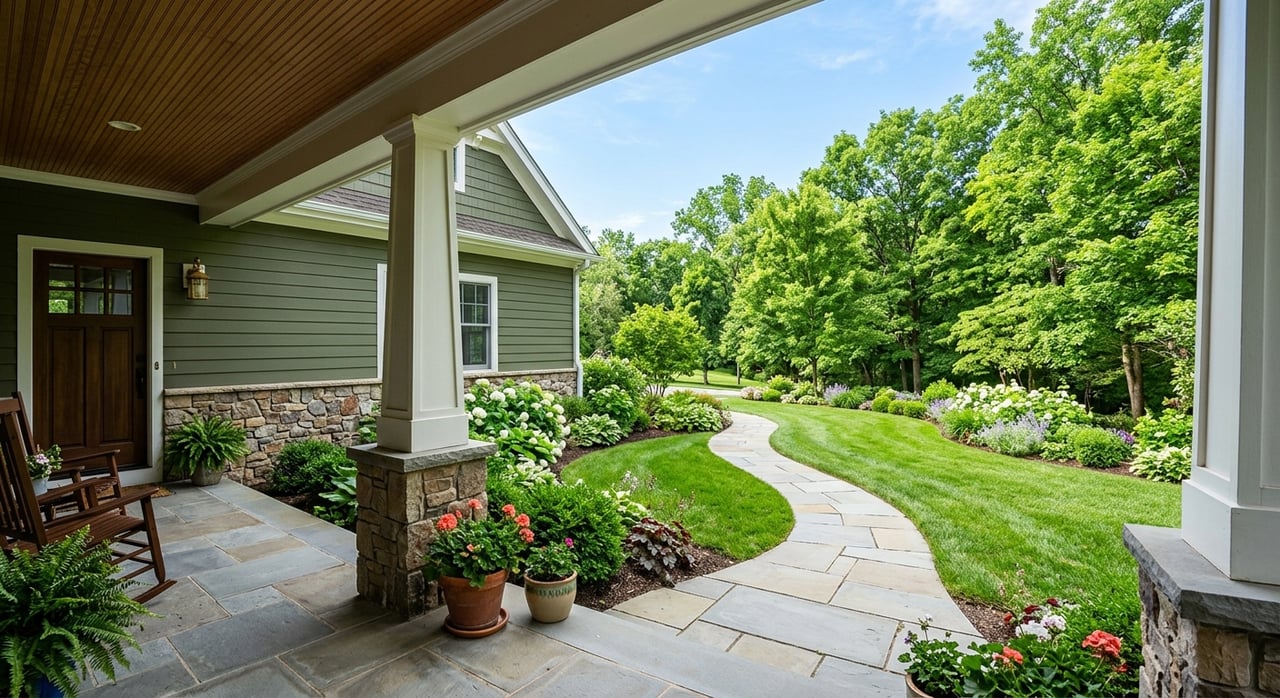
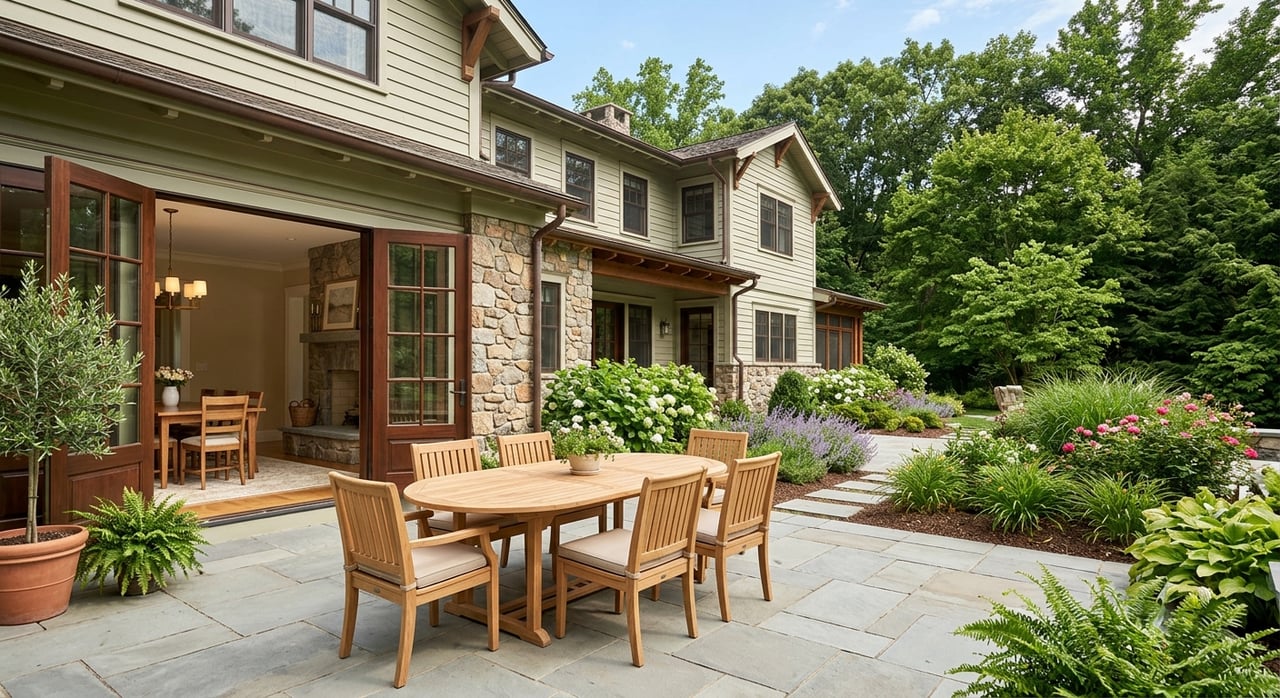
That setting matters because it helps explain why farm and pastoral properties feel different here than in a more suburban market. Much of the town remains open and in agricultural production, so buyers are often choosing not only a house, but also a long-term relationship with the land.
Sheffield also attracts both year-round and second-home buyers. The town’s 2020 census population was 3,327, and a 2020 census summary counted 185 second homes, which supports its appeal for lifestyle-driven ownership as well as full-time living.
Start With Intended Use
Before you focus on finishes, views, or barn style, it helps to get specific about how you plan to use the property. Your intended use can shape zoning questions, financing options, tax treatment, and the kind of inspections you should order.
A buyer looking for open space and a quiet country setting may need a different checklist than someone planning to keep horses, grow produce, add storage buildings, or operate a farm stand. In Sheffield, that distinction is especially important because land use rules can vary based on both the zoning district and the exact activity you want to pursue.
Understand Sheffield Zoning Basics
Sheffield’s zoning bylaw is one of the first documents to review when you are considering a farm or pastoral property. The Rural District is intended primarily for residence, agriculture, forestry, conservation, recreation, and open space maintenance.
In that district, the minimum lot area is one acre, or one-half acre with public water, and the minimum frontage is 100 feet. Those baseline numbers can be helpful, but they do not tell the full story for more specialized property use.
Farm Uses and Farm Stands
Sheffield zoning is generally supportive of agriculture, but buyers should pay close attention to the details. The town’s use table allows exempt agricultural use and exempt farm stands by right in all districts, while non-exempt farm stands are by right in the Rural District and may require a special permit elsewhere.
That can matter if your vision includes selling produce, keeping animals, or creating a more active agricultural use on the property. A parcel that looks perfect on paper may still require extra review depending on how you plan to operate it.
Overlay Districts Matter Too
Some parcels may also fall within Flood Plain or Water Supply Protection overlay districts. If a property is near the river, wetlands, or areas tied to wellhead protection, you may face added review or limitations beyond the base zoning district.
This is one reason farm-property due diligence should start early. In a rural setting, the land itself often drives the transaction more than the house does.
Expect a Working Rural Environment
If you are drawn to Sheffield for its open land and agricultural character, it helps to understand what that can mean day to day. Sheffield has a local Right to Farm bylaw that recognizes farming as essential and valued in town.
The bylaw also notes that normal agricultural activity may include noise, odors, dust, and fumes. In practical terms, that means a pastoral setting may come with active farm operations nearby, and buyers should approach that with clear expectations.
Massachusetts also provides protections for agricultural uses under MGL c. 40A, § 3. Local zoning cannot simply prohibit or unreasonably regulate primary commercial agriculture and related structures in the same way it might regulate other land uses.
For you as a buyer, the takeaway is simple: confirm your intended use early, and do not assume every rural property will be treated the same way.
Inspect More Than the House
One of the biggest mistakes buyers make with farm and pastoral properties is focusing too narrowly on the residence. In Sheffield, many properties depend on private systems, older infrastructure, and outbuildings that deserve careful review.
That may include barns, sheds, paddocks, fences, long driveways, drainage patterns, and utility runs to detached structures. If those features are central to how you want to use the property, they should be evaluated with the same care as the kitchen, roof, or foundation.
Septic and Well Considerations
Massachusetts says septic systems should be inspected when buying or selling a home. The state also notes that septic systems should be pumped at least once every three years and repaired or replaced if they fail Title 5 standards.
Private wells are regulated locally rather than by MassDEP, and owners are encouraged to test well water periodically through a certified laboratory. On a rural property, water and wastewater systems are basic infrastructure, so this is not a small box to check. It is central to how the property functions.
Land Conditions and Access
Sheffield’s official materials emphasize deep agricultural soils and a long history of open farmland. That is part of what makes these properties so appealing, but it also means drainage, pasture condition, tree maintenance, and seasonal access should be part of your buying decision.
The town’s Highway Department information notes that Sheffield has over 80 miles of town roads. On a rural parcel, road access, driveway condition, snow planning, and the practical use of the land through all seasons can affect both enjoyment and cost.
Financing Can Be Different
Financing a farm or hobby-farm property is not always as simple as financing a standard in-town home. Lenders may look closely at acreage, outbuildings, land use, and whether the property has income-producing features.
For some buyers, the USDA Section 502 Guaranteed Loan Program may be relevant because it can offer 100 percent financing in eligible rural areas for qualifying borrowers. However, the property must be the borrower’s primary residence and cannot be income-producing.
That means your financing options may change depending on whether you want a primary home, a second home, or land with business activity. It is smart to match your financing strategy to your intended use before you get too far into a transaction.
Know the Tax and Conservation Questions
For larger parcels, tax classification and land restrictions can have a major effect on long-term value and flexibility. These issues are especially important if you are buying land partly for agricultural use.
Chapter 61A Basics
Under Chapter 61A, land generally must be at least five acres and generate at least $500 in annual gross sales for the first five acres, with higher thresholds for additional acreage. If land leaves qualifying use, rollback taxes can apply.
A conveyance tax may also be due if the property is sold or converted to a nonchapter use within 10 years, unless the buyer files an affidavit to keep it in qualifying use. The program also gives municipalities a first-refusal option when Chapter 61A land changes to a nonchapter use.
For buyers, this means a favorable tax status may come with obligations and future limits. It is worth understanding those terms before you make assumptions about carrying costs or future plans.
APR Restrictions
Some farms are protected through the state’s Agricultural Preservation Restriction program. Under APR, the state pays the difference between fair market value and agricultural value in exchange for a permanent deed restriction that protects future agricultural viability.
APR land can be very attractive if your goal is to own protected open land with lasting agricultural use. At the same time, it can limit future flexibility, so it is important to understand exactly what the restriction allows and what it does not.
Use Local Offices in Your Due Diligence
When you are buying a farm or pastoral property, local verification matters. Sheffield’s Assessor’s office resources include online tax maps and property record cards, while the Town Clerk maintains zoning bylaws and maps.
The Agricultural Commission also exists to support agricultural interests and farmland preservation. These town-level resources can help you confirm classification, permits, and practical expectations before your offer becomes final.
This is where local guidance becomes especially valuable. A farm purchase often involves more moving parts than a conventional home purchase, and the strongest strategy is usually a careful one that connects land use, inspections, financing, and long-term plans from the start.
A Smart Buying Checklist
If you are considering a farm or pastoral property in Sheffield, keep this checklist in mind:
- Define your intended use before you shop seriously.
- Review the property’s zoning district and any overlay districts.
- Confirm whether planned agricultural uses are by right or require additional review.
- Evaluate barns, sheds, fences, paddocks, and driveways along with the house.
- Schedule septic review and ask about well testing.
- Consider drainage, soils, pasture condition, and seasonal access.
- Ask early how your intended use may affect financing.
- Verify whether the land is in Chapter 61A or subject to APR restrictions.
- Check local tax maps, property records, and town bylaws before contingencies expire.
Buying rural property in Sheffield can be deeply rewarding, especially if you want a Berkshire lifestyle built around space, scenery, and stewardship of the land. If you want thoughtful guidance on evaluating acreage, zoning, and the realities behind a beautiful listing, Katie Soules can help you navigate the process with local insight and concierge-level support.
FAQs
What makes Sheffield attractive for farm and pastoral property buyers?
- Sheffield offers open land, agricultural character, rural views, and a landscape shaped by the Housatonic River Valley, wetlands, and surrounding hills, according to official town materials.
What zoning issues should buyers review for Sheffield farm properties?
- Buyers should review the zoning district, allowed agricultural uses, farm stand rules, minimum lot requirements, and any Flood Plain or Water Supply Protection overlay districts.
What should buyers inspect on a Sheffield pastoral property besides the house?
- Buyers should inspect septic systems, wells, barns, sheds, paddocks, fencing, drainage, driveways, utility runs, pasture condition, and seasonal access.
How can financing differ for a Sheffield farm or hobby-farm purchase?
- Financing may depend on acreage, outbuildings, and whether the property is income-producing, and some buyers may explore USDA rural loan options if the property and borrower qualify.
What is Chapter 61A for Sheffield agricultural land buyers?
- Chapter 61A is a Massachusetts tax classification for qualifying agricultural land that can lower taxes but may also trigger rollback taxes, conveyance issues, or municipal first-refusal rights if the land leaves qualifying use.
What does APR mean when buying preserved farmland in Sheffield?
- APR refers to a permanent deed restriction through the Agricultural Preservation Restriction program that protects agricultural use while limiting future development flexibility.